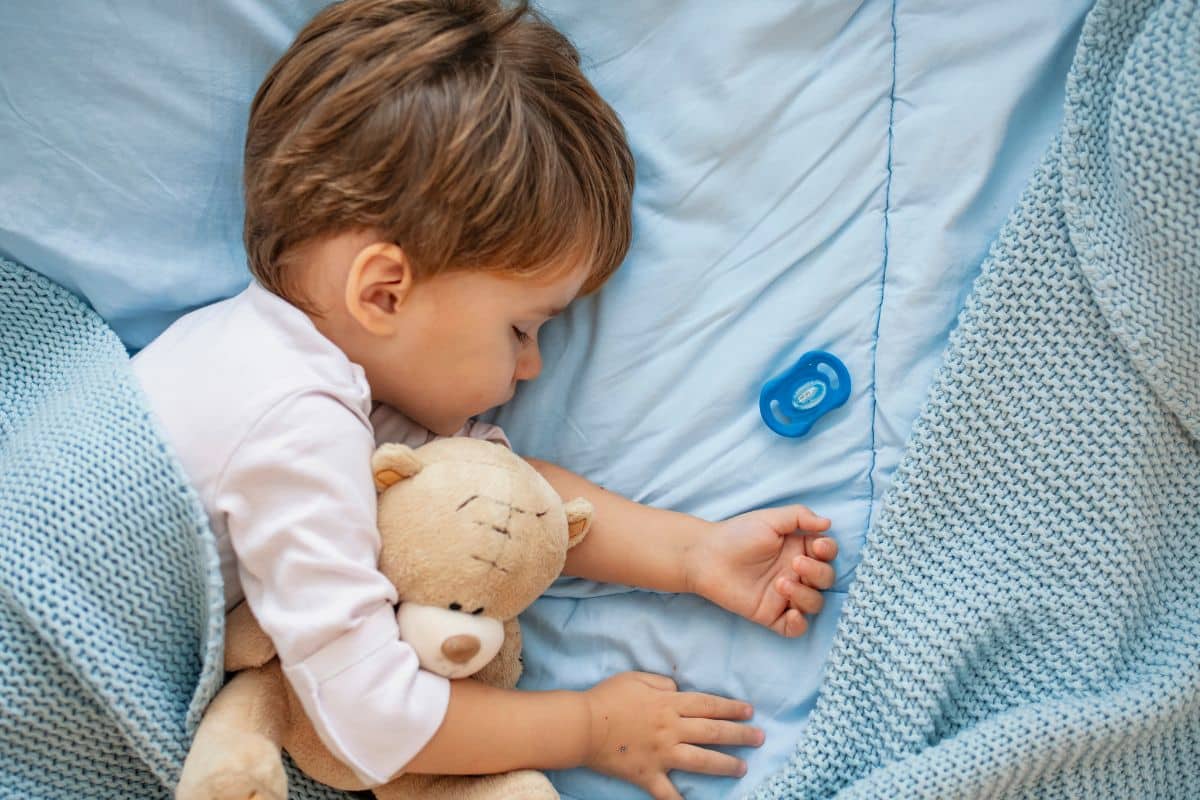
Sleep apnea, a condition where breathing repeatedly stops and starts during sleep, is often associated with adults. However, it’s a growing concern among children as well. This condition can significantly impact a child’s growth, development, and overall well-being. While many might not associate orthodontics with sleep apnea, the two are closely linked.
Understanding Sleep Apnea in Children
Children with sleep apnea often exhibit symptoms like snoring, restless sleep, daytime sleepiness, and difficulty concentrating. These symptoms can negatively affect a child’s behavior, academic performance, and social interactions. Obstructive sleep apnea (OSA) is the most common type in children, occurring when the airway becomes blocked during sleep.
The Role of Orthodontics
Orthodontists play a crucial role in identifying and treating sleep apnea in children. Due to their expertise in facial growth and development, they can recognize potential airway issues early on.
- Early Detection: Orthodontists can identify potential airway problems during routine check-ups. Signs like narrow upper jaw, crowded teeth, or tongue thrusting can indicate a higher risk of sleep apnea.
- Treatment Planning: Once sleep apnea is suspected, orthodontists work closely with pediatricians and sleep specialists to develop a comprehensive treatment plan.
- Orthodontic Appliances: In many cases, orthodontic appliances can help expand the upper jaw, creating more space for the tongue and improving airflow. These appliances can be used alone or in combination with other treatments.
- Monitoring and Adjustment: Orthodontists monitor the child’s progress closely, making adjustments to the treatment plan as needed.
How does Orthodontic Treatment help?
Orthodontic treatment for sleep apnea can offer several benefits:
- Improved Sleep: By addressing airway obstructions, orthodontic treatment can lead to better sleep quality and reduced snoring.
- Enhanced Growth and Development: Adequate sleep is essential for a child’s growth and development. Treating sleep apnea can positively impact a child’s physical and cognitive development.
- Behavioral Improvement: Children with sleep apnea often exhibit behavioral issues. Improved sleep can lead to better behavior and focus.
- Long-Term Benefits: Early intervention can prevent the progression of sleep apnea and potential complications, such as high blood pressure and heart problems.
When to Seek Help
If you suspect your child might have sleep apnea, it’s essential to consult with a pediatrician and consider a referral to an orthodontist. Early intervention is key to successful treatment and preventing long-term complications.
Remember: While orthodontics can be a valuable tool in managing sleep apnea, it’s not a standalone treatment. A comprehensive approach involving collaboration between orthodontists, pediatricians, and sleep specialists is often necessary.
By understanding the connection between sleep apnea and orthodontics, parents can take proactive steps to ensure their child’s overall health and well-being.