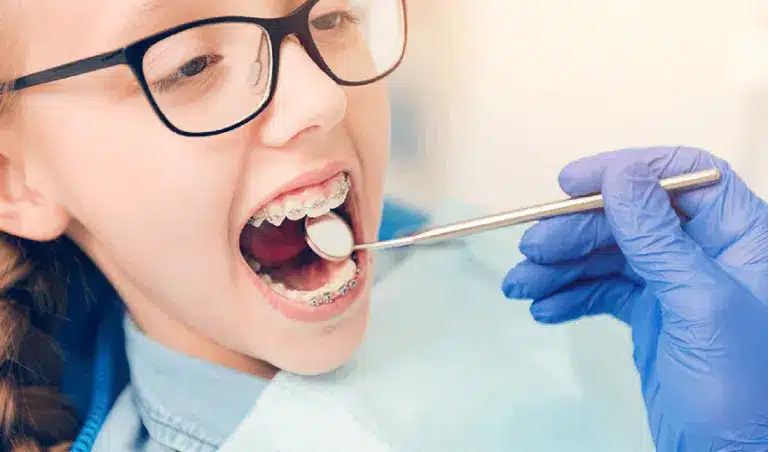
Many parents associate braces with the teenage years, but what if there was a way to address potential orthodontic problems even earlier? Early orthodontic care, also known as interceptive orthodontics, can benefit children in surprising ways. But how do you know if your child is a good candidate? Let’s explore the signs and the ideal time to seek professional help from an orthodontist in Spring.
The Benefits of Early Intervention
Early orthodontic treatment isn’t just about achieving a perfect smile. It can address underlying issues that could lead to more complex problems later. Here are some key benefits:
- Guiding Jaw Growth: An orthodontist can gently guide jaw development to create space for permanent teeth, preventing overcrowding or misalignment.
- Correcting Harmful Habits: Early intervention can address habits like thumb sucking or tongue thrusting that can impact tooth positioning.
- Improving Speech Development: In some cases, orthodontic problems can affect speech patterns. Early treatment can help ensure proper speech development.
- Boosting Self-Confidence: A straighter smile can give your child a confidence boost during their formative years.
- Simplifying Future Treatment: Early intervention can sometimes reduce the need for extensive orthodontic treatment later or shorten the time spent in braces.
Signs Your Child Might Need Early Orthodontic Care
While not every child needs early intervention, some signs suggest consulting an orthodontist :
- Early or Late Loss of Baby Teeth: Losing baby teeth too early or too late can indicate underlying jaw growth issues.
- Crowding or Spacing of Teeth: Even with baby teeth, significant crowding or excessive spacing can be a sign of future problems.
- Mouth Breathing or Thumb Sucking: Persistent habits like these can impact jaw development and tooth alignment.
- Overbite, Underbite, or Crossbite: Misaligned bites can be addressed more effectively during early jaw growth.
- Protruding Teeth: Front teeth that stick out are more susceptible to injury and can benefit from early intervention.
The Ideal Age for an Orthodontic Evaluation
By the age of seven, the American Association of Orthodontists advises that every kid undergo an orthodontic examination. This allows the orthodontist to assess potential issues and determine if early intervention is necessary. Even if treatment isn’t needed right away, the orthodontist can monitor your child’s growth and development, recommending intervention when the time is right.
Consulting an Orthodontist in Spring
If you notice any of the signs mentioned above, or simply have questions about early orthodontic care, schedule an appointment with a qualified orthodontist in Spring. A thorough evaluation will help determine the best course of action for your child’s individual needs. Early intervention can play a vital role in ensuring your child enjoys a lifetime of optimal oral health and a confident smile.
Remember, early intervention doesn’t always mean braces. Depending on your child’s specific needs, the orthodontist may recommend spacers, retainers, or other appliances to guide jaw growth and tooth development.
Taking care of your child’s smile early can have a lasting positive impact. Don’t hesitate to schedule an appointment with an orthodontist to discuss your child’s needs.