A straight, healthy smile is about more than appearance—it plays an important role in overall oral health and confidence. For families in Spring, and nearby areas like The Woodlands and Tomball, exploring orthodontic care is often the first step toward improving both function and aesthetics. Many patients begin this journey by connecting with an experienced orthodontist in spring to better understand their options and what treatment may involve.
Orthodontics focuses on guiding teeth into proper alignment, helping patients achieve a balanced bite and a smile that feels as good as it looks.
Understanding Orthodontics
Orthodontics is a specialized area of dentistry that focuses on correcting misaligned teeth and jaw positioning. While general dentistry focuses on maintaining oral health, orthodontics is centered on improving alignment, function, and long-term stability.
Early evaluation can help identify concerns before they become more complex, especially for children and teens.
Why Straight Teeth Matter
Straight teeth are easier to clean and maintain, which helps reduce the risk of cavities and gum disease. Proper alignment also supports:
- Better chewing and digestion
- Clearer speech development
- Reduced strain on jaw joints
When teeth are misaligned, it can lead to uneven wear, discomfort, and long-term oral health challenges.
The Role of an Orthodontist
Orthodontists receive additional training beyond dental school to focus specifically on alignment and bite correction. They evaluate each patient’s needs and create a personalized treatment plan based on age, dental development, and overall goals.
They often work closely with general and pediatric dentists to ensure a well-rounded approach to care.
Common Orthodontic Issues
Orthodontic concerns can vary from patient to patient. Some of the most common include:
- Crowded teeth
- Gaps between teeth
- Overbites and underbites
- Crossbites
Identifying these issues early allows for more effective and often simpler treatment.
Orthodontic Treatment Options
Today’s orthodontic care offers a variety of solutions, depending on individual needs:
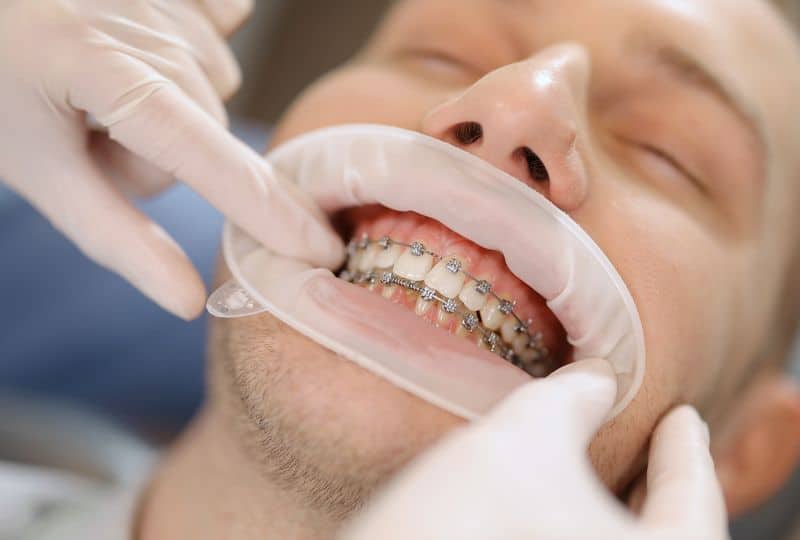
- Traditional braces: Reliable and effective for complex cases
- Clear aligners: A more discreet option for mild to moderate alignment
- Advanced planning technology: Digital tools help create precise, customized treatment plans
Each option has its own benefits, and the right choice depends on the patient’s specific situation.
If you’re exploring treatment for your child, reviewing common questions about braces for kids can help you better understand what to expect and how to prepare.
A Personalized Approach to Treatment
No two smiles are the same. Orthodontic treatment is carefully tailored to each patient, taking into account:
- Age and growth stage
- Severity of alignment concerns
- Lifestyle and preferences
This personalized approach helps ensure both effective results and a more comfortable experience.
What to Expect During Treatment
Orthodontic care is a gradual process that typically includes:
- An initial consultation and evaluation
- Diagnostic imaging and planning
- Active treatment with braces or aligners
- Follow-up visits to monitor progress
Patients and families are guided through each stage so they feel informed and confident along the way.
Oral Health During Orthodontic Care
Maintaining good oral hygiene is especially important during treatment. Brackets, wires, or aligners can trap food particles, so consistent care is essential.
Helpful habits include:
- Brushing after meals
- Flossing carefully around appliances
- Avoiding foods that can damage braces
These steps help prevent issues like cavities and gum irritation during treatment.
Life After Orthodontics
Once treatment is complete, retainers play a key role in maintaining results. Teeth naturally shift over time, so wearing retainers as recommended helps preserve alignment.
Regular dental visits and good oral hygiene continue to support long-term success.
Confidence That Lasts
A well-aligned smile can have a meaningful impact—not just on oral health, but also on confidence. Many patients feel more comfortable smiling, speaking, and engaging socially after completing treatment.
Final Thoughts
Orthodontic care is a long-term investment in both health and confidence. With the right guidance and a clear understanding of the process, families can make informed decisions that support lasting results.
If you’re considering orthodontic care for yourself or your child, you can visit our Spring dental practice to learn more about your options and take the next step toward a healthier, more confident smile.