In the realm of pediatric dentistry, advancements in technology have significantly transformed traditional approaches to dental care. One such innovation that has gained momentum is laser dentistry. However, despite its proven efficacy and safety, there remain misconceptions surrounding its application, especially concerning its use in pediatric patients. In Spring, Texas, parents often have concerns about the use of lasers in dental procedures for their children. Let’s delve into these misconceptions and explore the reality behind laser dentistry in pediatric care.
1. Misconception: Laser Dentistry is Experimental and Risky
Some parents may perceive laser dentistry as a novel and experimental approach fraught with risks. However, laser technology in dentistry has been around for several decades and has undergone extensive research and development. It is now a well-established and FDA-approved method for various dental procedures, including those in pediatric dentistry.
Reality: Safety and Efficacy
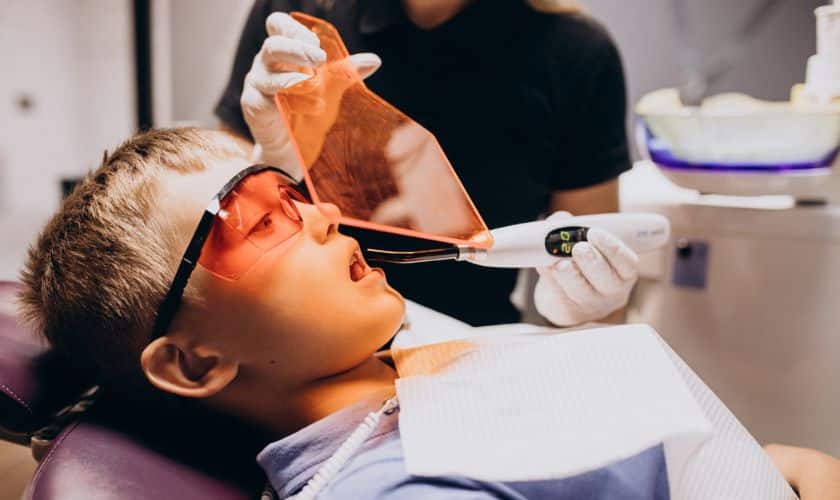
Laser dentistry offers several benefits in pediatric care, including reduced discomfort, minimal bleeding, and faster healing times. Lasers are precise instruments that target specific areas with minimal impact on surrounding tissues, making them particularly suitable for delicate pediatric procedures. Additionally, the use of lasers often eliminates the need for anesthesia or reduces its extent, further enhancing safety for young patients.
2. Misconception: Lasers are Harmful to Children’s Oral Tissues
Concerns about the potential harm to children’s oral tissues due to laser use are common among parents. They may worry that lasers could cause burns, tissue damage, or interfere with oral development in young patients.
Reality: Gentle and Non-Invasive
Contrary to popular belief, lasers used in dentistry are designed to be gentle and non-invasive. They precisely target the treatment area without affecting surrounding tissues, minimizing the risk of damage. Moreover, laser procedures often result in less post-operative discomfort and swelling compared to traditional techniques, promoting a more positive experience for children undergoing dental treatment.
3. Misconception: Laser Dentistry is Only for Advanced Procedures
Some parents may believe that laser dentistry is reserved for complex or advanced dental procedures and may not be suitable for routine pediatric care, such as cleanings or cavity treatment.
Reality: Versatility in Pediatric Dentistry
Laser technology is incredibly versatile and can be used for a wide range of pediatric dental procedures, from simple cleanings to cavity preparation, frenectomies, and even tongue-tie releases. Its precision and effectiveness make it a valuable tool in the arsenal of pediatric dentists, allowing for more efficient and comfortable treatment experiences for young patients.
4. Misconception: Laser Dentistry is Expensive
Cost concerns often deter parents from considering laser dentistry for their children, assuming that it is prohibitively expensive compared to traditional methods.
Reality: Long-Term Cost-Effectiveness
While the initial investment in laser equipment may be higher, the long-term benefits of laser dentistry can outweigh its upfront costs. By reducing the need for anesthesia, minimizing complications, and improving treatment outcomes, laser dentistry can ultimately result in fewer dental visits and associated expenses over time. Additionally, many dental practices offer flexible payment options and financing plans to make laser dentistry more accessible to families.
5. Misconception: All Dentists are Equally Skilled in Laser Dentistry
Parents may assume that any dentist can perform laser procedures with the same level of skill and expertise, regardless of their training or experience.
Reality: Specialized Training and Expertise
Effective and safe use of laser technology in dentistry requires specialized training and expertise. Pediatric dentists who incorporate lasers into their practice undergo extensive education and certification to ensure they can proficiently utilize this advanced tool while prioritizing the well-being of their young patients. Therefore, it’s essential for parents to seek out a qualified pediatric dentist in Spring who has the necessary training and experience in laser dentistry.
In conclusion, laser dentistry holds tremendous potential in pediatric care, offering numerous benefits for young patients and their families. By dispelling common misconceptions and understanding the reality of laser technology in dentistry, parents can make informed decisions about their children’s oral health. Consulting with a reputable pediatric dentist in Spring who utilizes laser technology can provide peace of mind and ensure the best possible dental experience for children.