When your child’s baby teeth face severe decay or damage, you might wonder why a pediatric dentist recommends a dental crown. After all, those little teeth will fall out eventually, right? While it’s true that baby teeth are temporary, they play a vital role in your child’s oral development. Dental crowns offer essential protection that can preserve these teeth until they’re ready to naturally fall out. Here’s what every parent needs to know about how dental crowns protect baby teeth and why they might be the best option for your child.
Why are baby teeth important?
Baby teeth, or primary teeth, do more than just make your child’s smile adorable. They hold space in the jaw for adult teeth to come in properly. Baby teeth help your child chew food, which is essential for proper digestion and nutrition. They also assist in speech development by helping your child form sounds correctly. If a baby’s tooth falls out too early due to decay or damage, it can lead to problems such as misaligned adult teeth, difficulty chewing, and speech issues.
When Does Your Child Need a Dental Crown?
A pediatric dentist might recommend a dental crown for your child’s baby teeth if the tooth has experienced severe decay or trauma. Cavities that are too large for a simple filling, fractures, or even developmental defects can all weaken a tooth. Instead of removing the tooth, which can cause spacing issues and alignment problems for adult teeth, a dental crown can restore and protect the tooth. Crowns are especially common for molars, which do most of the heavy lifting when it comes to chewing.
How Do Dental Crowns Work?
A dental crown acts like a helmet for a damaged tooth. The pediatric dentist will first clean out any decay or debris from the tooth, ensuring the underlying structure is healthy. Then, they’ll shape the tooth to fit the crown. Once in place, the crown completely covers the tooth, protecting it from further decay and damage. It restores the tooth’s shape, size, and function, allowing your child to eat, speak, and smile with confidence.
The Types of Dental Crowns for Baby Teeth
There are several types of dental crowns available for baby teeth, and your pediatric dentist will recommend the best one based on your child’s needs.
Stainless Steel Crowns: These are the most common type for children. They’re durable, cost-effective, and easy to place. While they don’t blend in with natural teeth, they’re often used on back molars where they’re less noticeable.
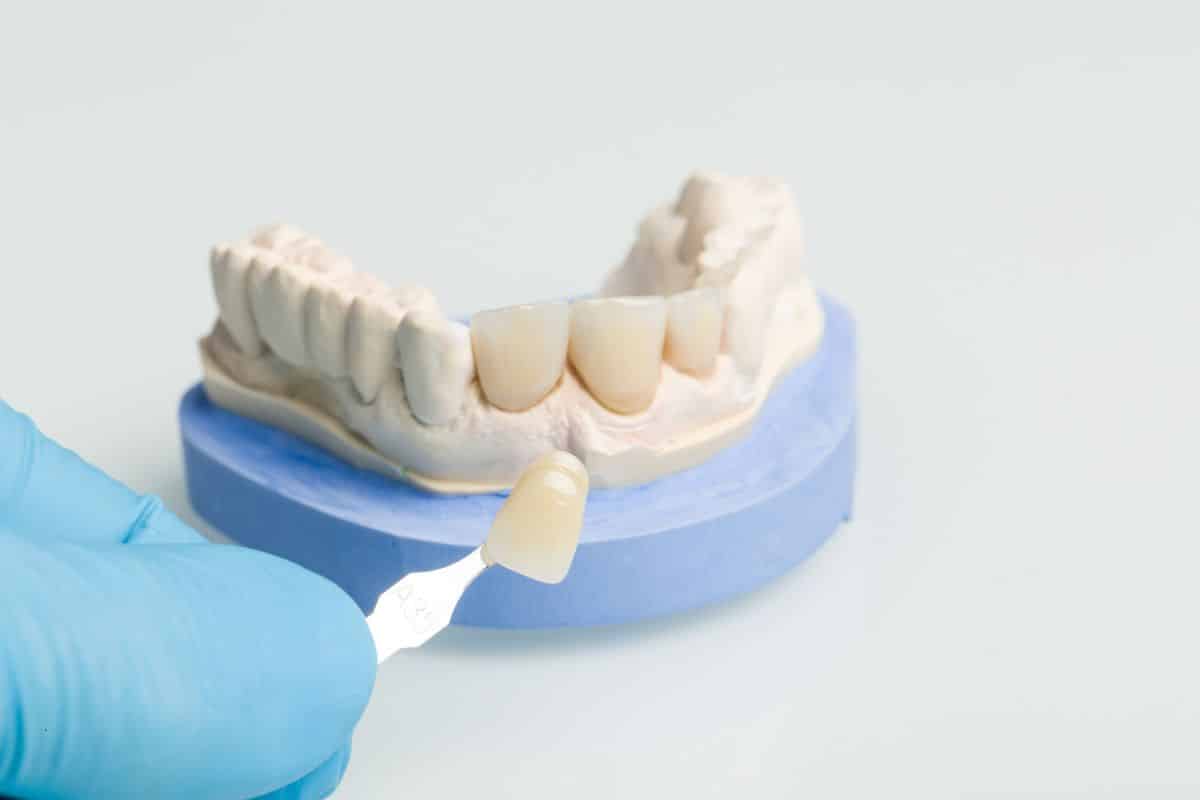
Tooth-Colored Crowns: Made from composite or ceramic materials, these crowns blend in with your child’s natural teeth. They’re a popular choice for front teeth or for parents who prefer a more natural look.
Zirconia Crowns: These crowns are durable, tooth-colored, and offer a more aesthetic option for both front and back teeth. They’re more expensive than stainless steel crowns but provide a natural appearance.
Benefits of Dental Crowns for Baby Teeth
Dental crowns offer several benefits that go beyond just preserving a tooth. Here’s how they protect your child’s oral health:
Prevent Further Decay: By completely covering the damaged tooth, a crown seals it off from bacteria and plaque, preventing further decay.
Maintain Tooth Function: Crowns restore the tooth’s ability to chew food properly, which is essential for your child’s nutrition and digestion.
Preserve Space for Adult Teeth: By keeping the baby tooth in place until it’s ready to fall out naturally, crowns help maintain the proper spacing in your child’s mouth for adult teeth.
Improve Aesthetics and Confidence: Crowns restore the appearance of a damaged tooth, which can boost your child’s self-esteem, especially if the crown is tooth-colored.
What to Expect After Your Child Gets a Dental Crown
After your child receives a dental crown, you might notice some initial sensitivity or discomfort, but this usually resolves within a few days. It’s essential to encourage good oral hygiene habits, such as brushing twice a day and flossing, to keep the crowned tooth and surrounding teeth healthy. Regular dental check-ups will also ensure the crown stays in good condition and that your child’s oral development is on track.
Final Thoughts
Dental crowns play a crucial role in protecting your child’s baby teeth from decay and damage. They ensure that your child can continue to eat, speak, and smile confidently while preserving the space needed for their adult teeth to come in correctly. If your child’s dentist recommends a dental crown, you can feel confident that it’s the best option for maintaining their oral health and overall well-being.