Teeth grinding, also known as bruxism, is a common issue among children, particularly during sleep. While it may seem harmless, grinding teeth can lead to long-term dental problems if not addressed. Understanding the causes and potential effects of teeth grinding is crucial for parents to ensure their child’s oral health remains intact.
What Causes Teeth Grinding in Kids?
There are several reasons children grind their teeth. Stress and anxiety are common triggers, especially during periods of change, like starting school or dealing with social pressures. Other potential causes include misaligned teeth, ear infections or teething pain, and sleep disorders like sleep apnea. Children sometimes grind their teeth simply because it feels natural to them, especially when they’re tired or anxious.
Potential Short-Term Effects of Teeth Grinding
In the short term, teeth grinding may not seem a big concern, but it can still cause discomfort. Kids who grind their teeth may experience headaches, or tooth sensitivity. Grinding can wear down tooth enamel, increasing vulnerability to cavities and dental decay.
Long-Term Dental Problems Due to Teeth Grinding
If teeth grinding continues over time, it can lead to more significant dental issues. Some of the long-term problems include:
- Enamel Erosion: The constant grinding of teeth can wear down the enamel, the protective outer layer of the teeth. As the enamel erodes, teeth become more prone to cavities, sensitivity, and discoloration.
- Tooth Damage: The grinding force can chip or crack teeth, requiring restorative dental procedures like fillings, crowns, or root canals. Over time, repeated grinding can lead to severe tooth damage.
- TMJ Disorders: Chronic grinding strains the jaw muscles and the temporomandibular joint (TMJ), which connects the jawbone to the skull. This can lead to pain, discomfort, and even TMJ disorders, which may cause clicking sounds, headaches, and difficulty chewing.
- Misaligned Teeth: Teeth grinding can exacerbate problems with alignment, especially if a child already has crooked or misaligned teeth. Over time, this can worsen the condition, leading to more complex orthodontic treatments.
- Sleep Disruptions: Teeth grinding can also interfere with a child’s quality of sleep. Grinding often occurs during sleep, which may lead to disrupted rest, making kids feel tired and irritable during the day. Poor sleep can also affect a child’s overall health and academic performance.
What Can Parents Do?
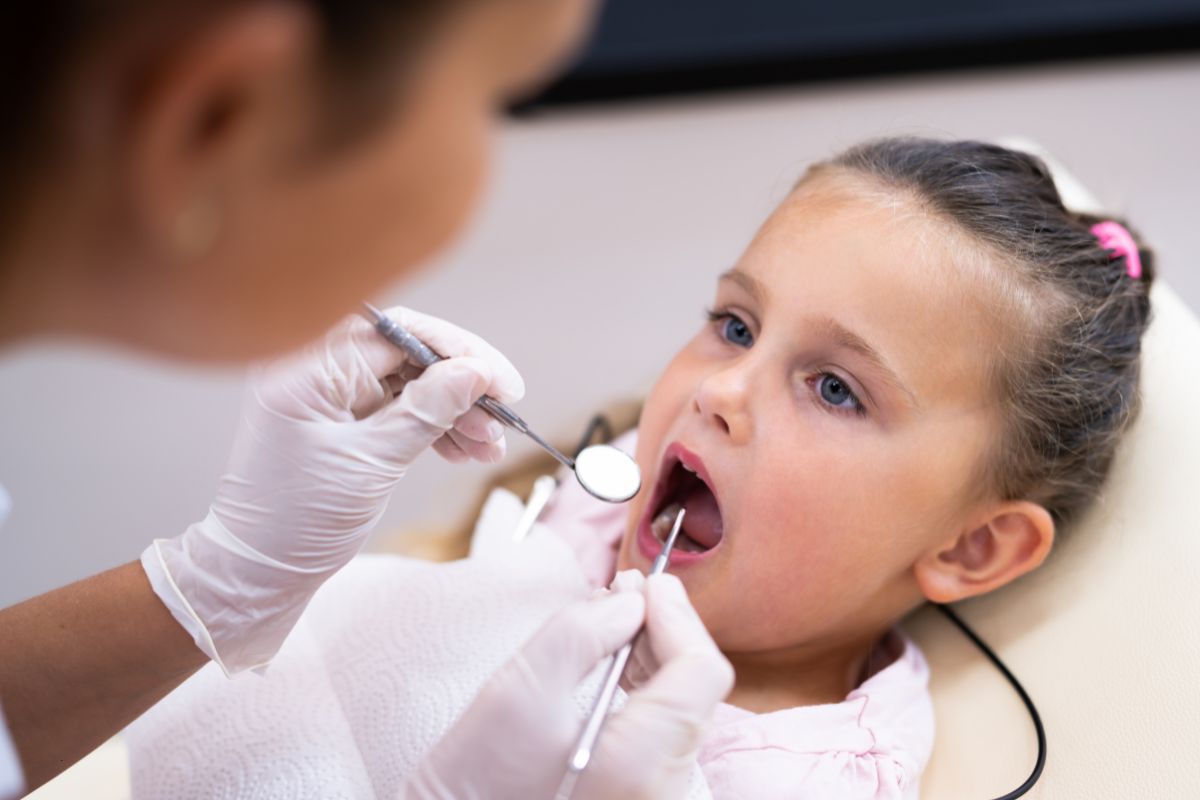
If you notice your child grinding their teeth, it’s essential to consult with a pediatric dentist. The pediatric dentist can determine if the grinding is due to dental issues like misalignment or if it’s related to stress or anxiety. Here are some solutions that may help:
- Mouthguards: A custom mouthguard can protect the teeth from damage and reduce the effects of grinding.
- Stress Management: Encourage relaxation techniques like deep breathing or meditation to help your child manage stress.
- Regular Dental Checkups: Regular visits to the pediatric dentist near you can help monitor the condition of your child’s teeth and catch any signs of damage early.
- Address Underlying Issues: If your child’s grinding is due to an underlying condition, like sleep apnea or misaligned teeth, treating the root cause can help reduce grinding.
While teeth grinding in kids may be expected, it can lead to long-term severe dental problems if left unaddressed. Parents should be aware of the signs of bruxism and seek professional dental care to prevent further complications. With early intervention and proper care, children can avoid the lasting effects of teeth grinding and maintain healthy, strong teeth.