

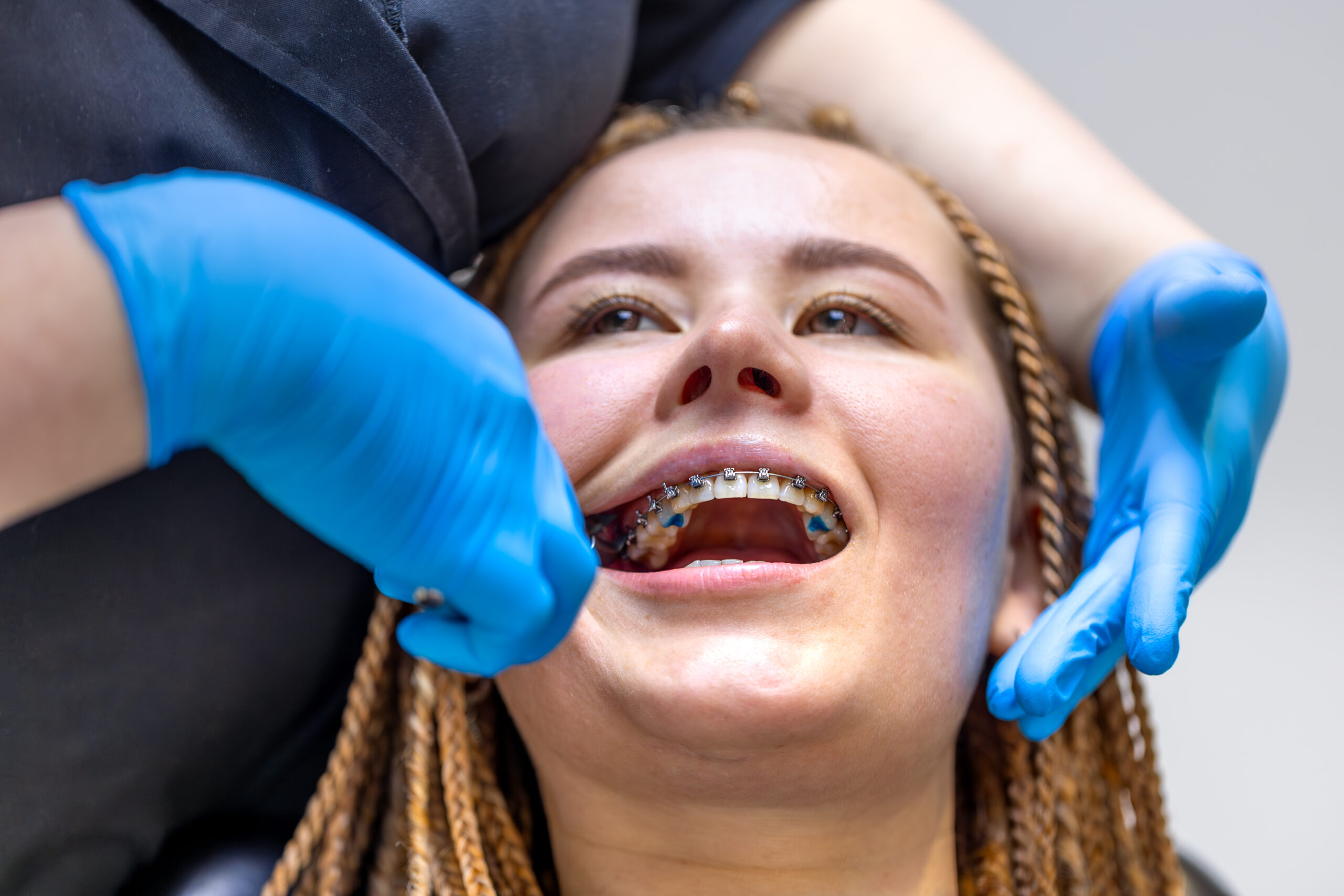
It’s a common question we hear from families throughout Spring. A child might ask why their braces need “tightening,” while a teen may notice a bit of pressure after an appointment. Parents often try to balance school, activities, and regular visits, and adults in treatment may wonder how often they’ll need to come in.
If you’re beginning or continuing orthodontic treatment in spring, understanding the purpose and timing of these visits can make the process feel much more manageable. These appointments are not just routine—they’re an important part of keeping your treatment safe, steady, and effective.
How Often Are Braces Tightened?
For most patients, orthodontic adjustment visits are scheduled every 4 to 8 weeks. This timeline allows teeth to move gradually while giving the orthodontist an opportunity to guide that movement carefully.
Consistency matters here. Teeth don’t shift all at once—they respond slowly to gentle, controlled pressure. Regular visits help ensure that progress continues without unnecessary delays.
In busy households around Spring, where school calendars and family routines can fill up quickly, keeping these appointments on track can make a noticeable difference in how smoothly treatment progresses.
What Happens During a Tightening Appointment?
Despite the name, “tightening” doesn’t always mean making braces feel tighter. These visits are more about adjustment than force.
During an appointment, your orthodontist may:
- Replace or adjust wires
- Change elastic bands
- Check how teeth are moving
- Make small refinements to keep alignment on track
For patients using clear aligners, the process may involve checking fit and moving on to the next set of trays.
These are usually short visits, but each one plays a meaningful role in guiding your smile toward its final result.
Why Regular Visits Are Important
Orthodontic care is a step-by-step process. Each visit builds on the last.
Regular adjustments help:
- Keep treatment moving at the right pace
- Reduce the risk of complications
- Ensure teeth are shifting safely and evenly
Skipping or delaying visits can slow progress or lead to discomfort, especially if wires or aligners are not updated as planned.
For families in the Spring area, staying consistent often means fewer surprises and a more predictable treatment timeline.
Does the Schedule Change for Everyone?
Not every patient follows the exact same schedule. The timing of visits can vary based on several factors:
- Age: Younger patients may need closer monitoring as their teeth and jaws are still developing
- Type of treatment: Traditional braces, clear aligners, or hybrid approaches may require different intervals
- Complexity: More detailed cases may involve slightly more frequent check-ins
Your orthodontist will tailor your schedule based on what your smile needs—not a one-size-fits-all timeline.
What If You Miss an Appointment?
Life happens—especially with busy school schedules, work commitments, or unexpected changes.
However, missing an orthodontic visit can lead to:
- Slower tooth movement
- Prolonged treatment time
- Increased discomfort if adjustments are overdue
If an appointment is missed, it’s helpful to reschedule as soon as possible. Staying close to your recommended timeline helps keep everything moving forward without interruption.
What to Expect After Tightening
It’s normal to feel mild soreness after an adjustment. This usually begins within a few hours and fades over a few days.
Some helpful tips include:
- Choosing softer foods for a day or two
- Staying consistent with oral hygiene
- Using orthodontic wax if needed for irritation
Most patients quickly adjust, and any discomfort is typically a sign that the treatment is doing its job.
Why Adjustment Visits Matter for Kids and Teens
For children and teens, these visits are especially important. Their teeth and jaws are still developing, which means orthodontic care can guide growth in a positive direction.
Regular adjustments help:
- Support proper alignment as they grow
- Prevent more complex issues later
- Reinforce healthy habits early on
Parents often play a key role in keeping appointments organized and encouraging consistency. Over time, these small routines can contribute to long-term oral health and confidence.
How Orthodontists Plan and Adjust Your Treatment Safely
Each orthodontic visit is part of a carefully planned process.
Your orthodontist will:
- Review how your teeth have moved since the last visit
- Make gradual adjustments to wires or aligners
- Monitor how your mouth is responding
- Check for any signs of irritation or concern
- Plan the next phase of movement
The goal is to guide teeth into place steadily, without rushing the process. This careful approach helps protect both comfort and long-term results.
Staying Consistent with Your Care
Orthodontic treatment works best when it becomes part of your routine—just like school, work, or other regular commitments.
If you ever have questions about your schedule, discomfort, or progress, it’s completely reasonable to ask. Clear communication can help you feel more confident and informed throughout your treatment.
If you’d like to better understand your adjustment schedule or talk through what to expect, you can visit our dental practice to learn what may work best for your needs.
FAQs
How often should braces be tightened?
Most patients visit every 4 to 8 weeks, depending on their treatment plan and progress.
Are tightening appointments painful?
They’re not typically painful, but mild soreness for a few days afterward is common and expected.
Can I delay an orthodontic visit?
Delays can slow progress and may extend treatment time, so it’s best to stay as close to your schedule as possible.
Do Invisalign patients need similar visits?
Yes, although adjustments may look different, regular check-ins are still important to monitor progress.
How long does each appointment take?
Most adjustment visits are relatively short, often lasting between 20 and 30 minutes.