It’s something many families in Spring, experience early on in orthodontic care. A child might forget and bite into something sticky after school. A teen may notice a loose bracket and not mention it right away. Parents often try to stay on top of brushing routines, while adults adjust to new habits that come with wearing braces.
If you’re working with an orthodontist in spring, these situations are completely normal—but they’re also opportunities to better understand how small daily choices can impact treatment progress. With a few simple adjustments, most common mistakes can be avoided.
Most Common Braces Mistakes Patients Make
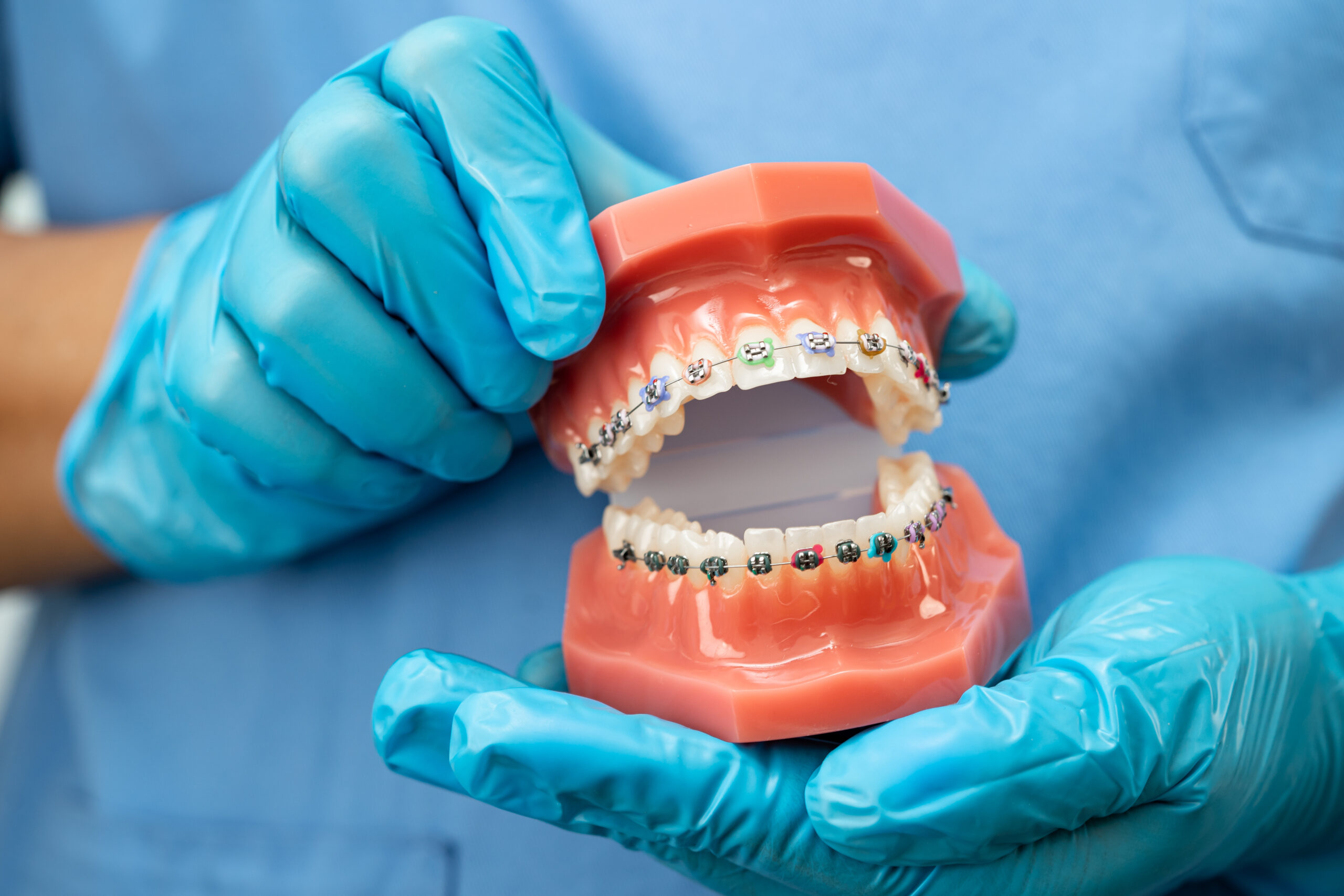
Braces are effective, but they do require consistency. Some of the most common issues we see include:
- Skipping or rushing brushing and flossing
- Eating foods that can damage brackets or wires
- Not wearing elastics as instructed
- Missing scheduled orthodontic visits
These habits are easy to overlook, especially with busy school and work routines, but they can influence how smoothly treatment progresses.
Why These Mistakes Can Slow Down Treatment
Orthodontic care works gradually. Each adjustment builds on the last, guiding teeth into better alignment over time.
When instructions aren’t followed consistently, it can lead to:
- Slower tooth movement
- Broken or loose appliances
- Additional appointments to correct issues
- Extended treatment timelines
Even small disruptions can add up, which is why steady habits matter.
Food Habits That Can Affect Braces
Food choices play a bigger role than many patients expect. Certain foods can bend wires or break brackets, especially when eaten frequently.
Foods to be cautious with include:
- Sticky items like caramel or chewing gum
- Hard foods such as popcorn kernels or ice
- Crunchy snacks that put pressure on brackets
Instead, softer options like yogurt, pasta, and cut fruits can help protect braces while still allowing for a balanced diet.
Oral Hygiene Mistakes to Avoid
Braces create more surfaces where food and plaque can collect, making daily care especially important.
Common hygiene challenges include:
- Brushing too quickly or missing areas around brackets
- Skipping flossing due to difficulty
- Not rinsing after meals
Taking a little extra time with brushing and using tools like floss threaders or water flossers can make a meaningful difference in maintaining healthy teeth and gums during treatment.
The Importance of Following Instructions
Every orthodontic plan is personalized. That means instructions—like wearing rubber bands or aligners—are designed for your specific needs.
Not following these guidelines can slow progress or affect results. For example:
- Inconsistent elastic wear can delay bite correction
- Not wearing aligners as directed can reduce effectiveness
- Improper handling of appliances can lead to damage
Staying consistent helps ensure each phase of treatment moves forward as intended.
What to Do If Something Goes Wrong
Even with careful habits, occasional issues can happen.
You might notice:
- A loose bracket
- A poking wire
- Mild irritation or discomfort
If something doesn’t feel right, it’s helpful to reach out rather than wait. Early attention can often prevent a small issue from becoming a bigger interruption in treatment.
Helping Kids and Teens Avoid Braces Mistakes
For younger patients, building good habits early can make orthodontic care much smoother.
Parents can support this by:
- Creating simple daily routines for brushing and flossing
- Encouraging kids to follow food guidelines
- Checking in regularly about comfort or concerns
- Helping them understand why these habits matter
Over time, these routines become second nature, helping children take more ownership of their oral health.
How Orthodontists Help Keep Your Treatment on Track
Orthodontic visits are about more than adjustments—they’re an opportunity to monitor progress and guide care.
During appointments, orthodontists:
- Check how teeth are responding to treatment
- Make gradual adjustments to wires or appliances
- Offer guidance on daily care and habits
- Identify and address small issues early
- Plan the next steps in treatment
This ongoing process helps ensure that changes happen safely and steadily, supporting long-term results.
Staying Consistent with Your Care
Braces are a partnership between your orthodontist and your daily habits. Staying consistent with care, keeping appointments, and asking questions when something feels unclear can all help make the experience more manageable.
If you’d like guidance on caring for braces or want to better understand your progress, you can visit our Spring orthodontic office to talk through what may help keep your treatment on track.
FAQs
What foods should I avoid with braces?
Sticky, hard, and crunchy foods—like gum, caramel, popcorn, and ice—are best avoided to prevent damage to brackets and wires.
What happens if a bracket breaks?
A broken bracket can slow treatment progress. It’s helpful to contact your orthodontic office so it can be repaired promptly.
How often should I brush with braces?
Brushing after meals and before bed is recommended to keep plaque from building up around brackets and wires.
Are rubber bands really necessary?
Yes, if prescribed. They help guide bite alignment and are an important part of many treatment plans.
Can mistakes delay my orthodontic treatment?
Yes, missed appointments, broken appliances, or inconsistent habits can extend treatment time. Staying consistent helps keep things on schedule.