Parents want the best for their children, including a healthy smile. But many don’t realize that baby teeth are vulnerable to decay, even before a child starts eating solid food. Baby bottle tooth decay, also called early childhood caries, affects infants and toddlers when their teeth are exposed to sugary liquids for extended periods. Understanding how this condition develops and how to prevent it can protect your child’s dental health.
What Causes Baby Bottle Tooth Decay?
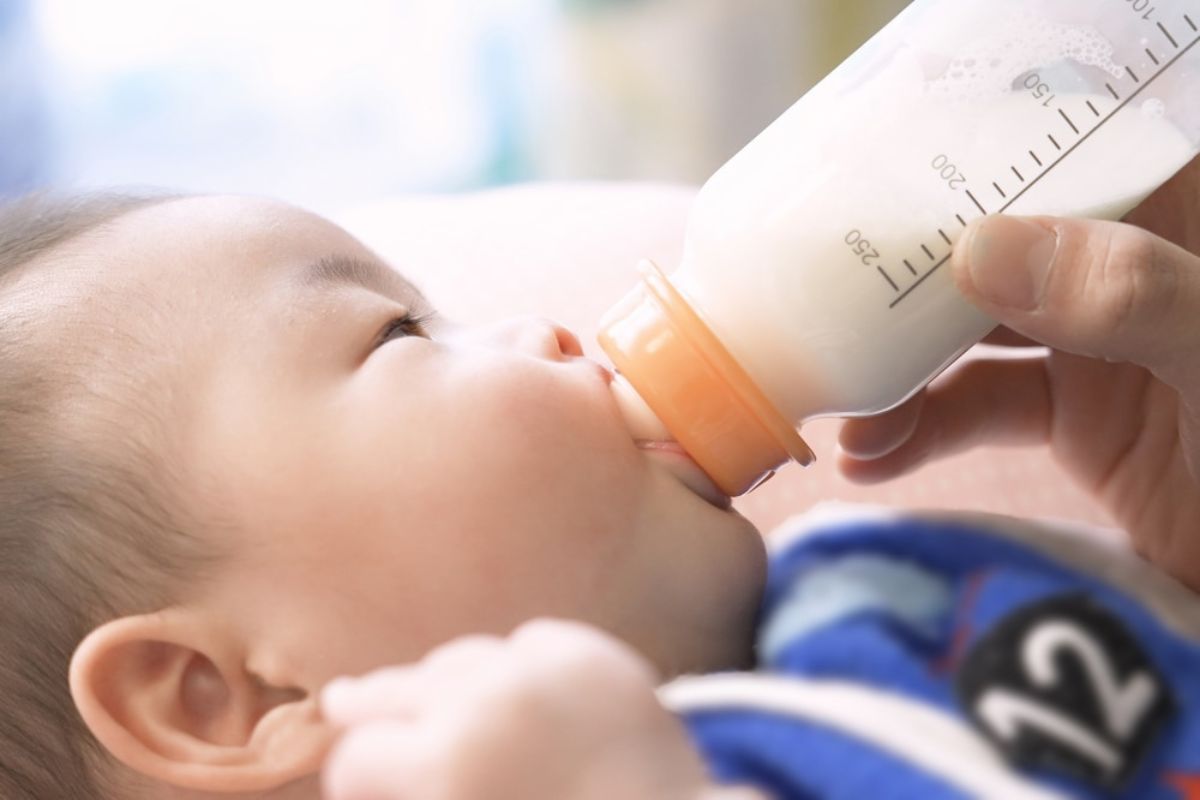
The primary cause of baby bottle tooth decay is frequent exposure to sugary drinks, including milk, formula, and juice. When a baby falls asleep with a bottle or frequently sips on these liquids throughout the day, sugars linger on their teeth, fueling bacteria that produce acid. Over time, this acid wears down the enamel, leading to cavities.
Many parents believe baby teeth don’t matter because they eventually fall out. However, these teeth play a crucial role in speech development, proper chewing, and guiding permanent teeth into place. Untreated decay can cause pain, infections, and even long-term dental issues.
How to Prevent Baby Bottle Tooth Decay
Preventing early childhood cavities starts with good oral hygiene and smart feeding habits. Here’s what you can do:
1. Avoid Sugary Drinks at Bedtime
Never put your baby to sleep with a bottle filled with milk, juice, or formula. If your baby needs comfort, offer a pacifier or a bottle of plain water. Sugary liquids that pool around the teeth overnight create the perfect environment for decay.
2. Clean Your Baby’s Gums and Teeth Daily
Wipe your baby’s gums with a soft, damp cloth after feedings, even before the first tooth appears. Once teeth emerge, brush them twice daily with a soft-bristled toothbrush and a tiny smear of fluoride toothpaste (about the size of a grain of rice).
3. Schedule an Early Dental Visit
A pediatric dentist near you can help detect early signs of decay and guide you on proper oral care. The American Academy of Pediatric Dentistry recommends scheduling a child’s first dental visit by their first birthday.
4. Encourage Drinking from a Cup
When your baby turns one, start transitioning from bottles to cups.
Limit sippy cup use because it can increase prolonged sugar exposure. Encourage drinking from an open cup to reduce the risk of cavities.
5. Offer Healthy Snacks
Limit sugary snacks and drinks. Instead, offer fresh fruits, vegetables, cheese, and yogurt to promote strong teeth. Water should be the go-to beverage between meals.
6. Use Fluoride for Stronger Teeth
Fluoride helps strengthen enamel and prevent cavities. Use a fluoride toothpaste in the recommended amount for your child’s age and check if your tap water contains fluoride. If not, ask your pediatric dentist about supplements.
Protect Your Child’s Smile
Baby bottle tooth decay is preventable with proper habits and regular dental checkups. Establishing good oral care routines early will set the foundation for a lifetime of healthy teeth. If you have concerns about your child’s dental health, contact a pediatric dentist near you for guidance. Taking action now will ensure your little one enjoys a bright, cavity-free smile!