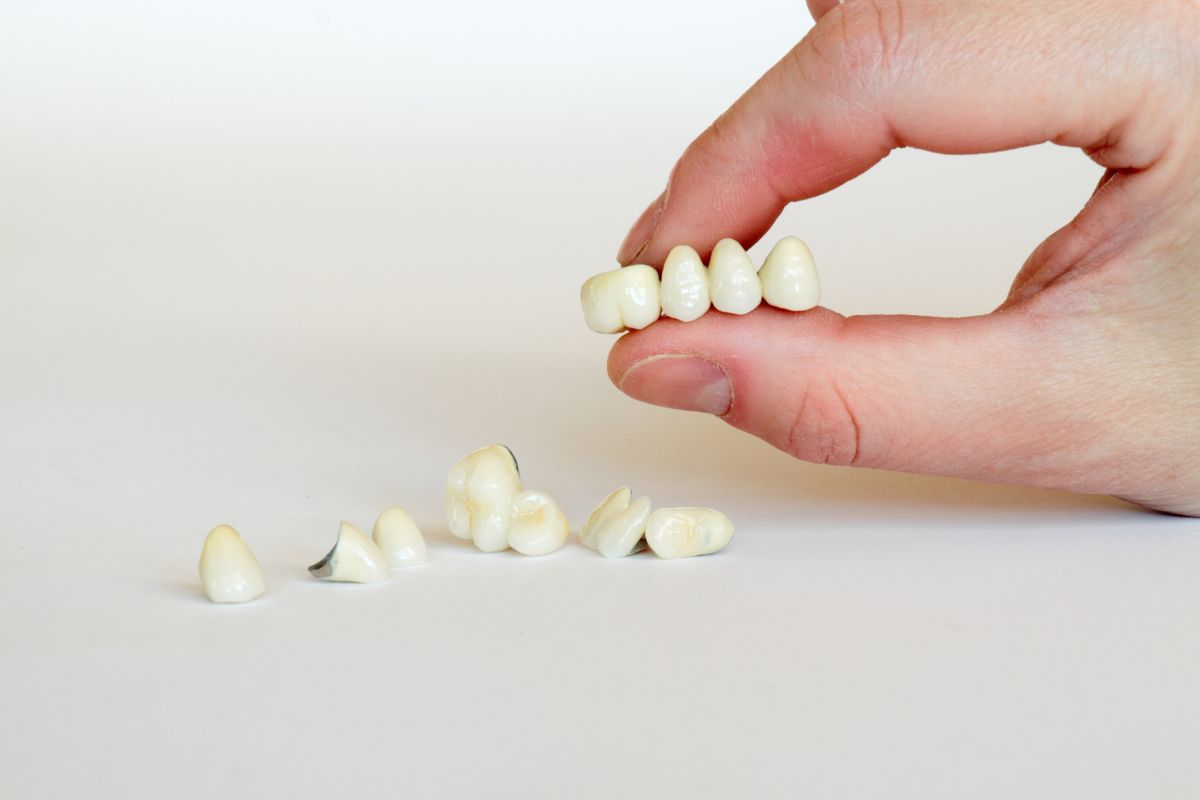
Getting advice on dental crowns for baby teeth may seem surprising to many parents. After all, milk teeth eventually fall out once your child attains a certain age. However, pediatric dental crowns serve an important purpose. They help protect damaged teeth during growing years, supporting your little one’s oral health.
This post explores why a pediatric dentist might recommend caps for the initial set of teeth. Keep reading to find out how long these dental caps typically last and the factors influencing their lifespan.
Why Are Crowns Used for Baby Teeth?
A filling might not be sufficient when a child’s tooth has extensive decay or damage. Many guardians overlook this situation, thinking, “It’s just a baby tooth!” However, untreated decay can cause pain, infection, and even alignment issues with adult teeth. This is where crowns come into the picture for preserving a baby’s first teeth. These caps play a crucial role in helping young patients speak, chew, and smile confidently.
A cap fully covers the affected tooth, creating a strong barrier against decay or fractures. This makes this covering more durable than fillings, which can wear down or fall out. These restorations are beneficial for kids who are still mastering brushing and flossing.
Remember, the main purpose of pediatric dental crowns is to maintain the space needed for permanent teeth to emerge correctly.
Types of Crowns for Kids
A kid’s dentist near you may recommend different types of caps depending on factors like the tooth’s location and damage extent. The most common categories are stainless steel and composite crowns. Stainless steel is often used for back molars due to its durability and affordability. However, most pediatric dental practitioners suggest composite for children due to their natural look for front teeth.
Each cap type has pros and cons, but both provide the protection necessary to keep baby teeth healthy and functional.
How Long Does a Crown Last on a Baby Tooth?
Typically, caps fabricated to fit over milk teeth last until they naturally fall out. Most caps have an average lifespan of five to ten years, depending on oral care and lifestyle. Stainless steel crowns, often used for molars, withstand chewing pressures well and usually last until the tooth sheds, around ages 10 to 12. Composite caps used on front teeth can also last several years with a proper maintenance routine.
Factors Affecting the Lifespan of Pediatric Crowns
When it comes to choosing between a variety of kid’s dental restoration options, lifespan really matters. If you want dental caps for your little one’s primary teeth, here is how to ensure they last longer.
Oral Hygiene: Good brushing and flossing habits are essential to maintain tooth-colored coverings. Poor hygiene can lead to plaque buildup, weakening the cap or affecting surrounding teeth.
Diet: Sugary or sticky foods can damage the bonding material around the crown, increasing decay risk. Limiting sugary treats can help to improve the lifespan of the restoration.
Daily Habits: Habits like nail-biting or teeth-grinding can wear down caps. Discuss this with the pediatric dentist to see if a night guard can reverse these habits.
Regular Dental Visits: Routine check-ups with a practitioner help ensure the cap remains in good condition. Pediatric dentists can adjust or replace these restorations if necessary.
Signs a Crown Needs Replacement
While caps are designed to last until the baby tooth falls out, some need replacing sooner. If a crown becomes loose, cracked, or uncomfortable, know it’s time to visit the pediatric dentist.
Are Crowns Safe for Kids?
Yes, caps are safe for children. Your kid’s dentist in Spring uses biocompatible materials and methods to ensure comfort and longevity. Besides, these dental caps offer a secure, practical solution to protect milk teeth and permanent ones, reducing the risk of pain or infection. This way, little ones can continue speaking, eating, and smiling confidently.
Dental crowns on baby teeth might seem unexpected, but they’re essential for kids with significant oral health issues. With good oral hygiene, a balanced diet, and regular check-ups, children can yield the benefits of restorations until their adult teeth erupt.