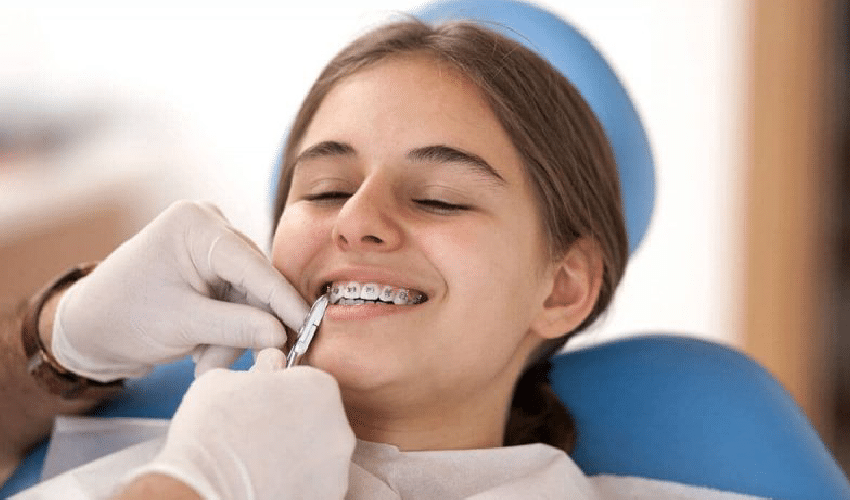
Orthodontic emergencies, unfortunately, can happen to anyone and at any time. Orthodontic treatment is a long-term process that requires regular checkups with your orthodontist. However, accidents and unexpected events can occur suddenly that require immediate attention. Orthodontic emergencies are dental issues that need prompt intervention in order to prevent further complications. In this article we will provide tips on how to handle orthodontic emergencies so you know what steps to take if the unfortunate happens.
Orthodontic problems vary from person to person, but some of the most common ones are jaw pain, broken brackets and wires, loose bands or brackets, mouth sores and persistent bad breath. Orthodontic emergencies can be very uncomfortable and cause further issues if not taken care of immediately. It is important to stay calm and contact your orthodontist as soon as possible for guidance on what steps you need to take.
Dealing with Orthodontic Pain
Pain is the most common symptom that indicates an issue with orthodontic treatment. Orthodontic pain may be caused by a number of factors, including incorrect positioning of braces or wires, broken brackets or bands, food trapped in the brackets and wires, gum irritation caused by braces or even a loose band that needs readjustment. If you experience any kind of discomfort while wearing braces, it’s important to contact your orthodontist as soon as possible.
1: Orthodontic Pain Relief
If you are experiencing pain due to your braces, the first thing you should do is take a mild pain reliever such as ibuprofen or acetaminophen. You can also apply an antiseptic or anti-inflammatory ointment directly to the affected area. To reduce swelling and encourage healing, use a cold compress on the area for 10 minutes at a time.
2: Orthodontic Appliance Repair
If your appliance needs repair, it’s best to contact your orthodontist right away. If this isn’t possible, some temporary repairs may be done in order to reduce discomfort and/or prevent further damage. If a wire is poking you, use a cotton swab or tweezers to carefully push the wire away from your skin. You can also use wax or orthodontic rubber bands to hold the wire in place until you can see your orthodontist.
Orthodontic Mouth Sores
Mouth sores are another common problem when it comes to bracing treatment. These types of sores are usually caused by irritation to the mouth due to braces rubbing against the cheeks and tongue. To reduce pain, rinse your mouth with warm salt water every few hours and avoid contact with acidic foods, such as citrus fruits, which can further irritate sore spots. Applying a numbing ointment may also help reduce discomfort.
1: Orthodontic Sore Prevention
To prevent mouth sores caused by your braces, it’s important to practice proper oral hygiene. Brush your teeth thoroughly after each meal and floss regularly to remove food particles trapped between brackets or wires. You should also use an orthodontic wax when needed for extra protection against irritation.
2: Orthodontic Bad Breath
Bad breath is another common issue with Orthodontia treatment due to the buildup of food particles in hard to reach places around the braces. To combat this problem, brush your teeth at least twice a day and floss every night before bed. You can also use an antibacterial mouthwash to reduce bacteria and keep your breath fresh.
Orthodontic emergencies are not uncommon, but with the right knowledge and preparation, you can handle them quickly and efficiently. Always contact your orthodontist for guidance if you experience any type of pain or discomfort related to Orthodontia treatment. If a repair is needed, make sure it’s done properly in order to avoid further complications. Finally, practice good oral hygiene habits to prevent common Orthodontic issues such as sores and bad breath.
FAQs:
1. How should I handle Orthodontic pain?
Answer: Orthodontic pain should be handled as soon as possible. Take a mild pain reliever such as ibuprofen or acetaminophen, apply an antiseptic or anti-inflammatory ointment to the affected area and use a cold compress for 10 minutes at a time to reduce swelling and encourage healing.
2. What should I do if my Orthodontic appliance needs repair?
Answer: If your Orthodontic appliance needs repair, it is best to contact your Orthodontist right away. Some temporary repairs may be done in order to reduce discomfort and/or prevent further damage, such as using wax or orthodontic rubber bands to hold the wire in place until you can see your Orthodontist.
3. How can I prevent Orthodontic mouth sores?
Answer: Orthodontic mouth sores can be prevented by practicing proper oral hygiene. Brush your teeth thoroughly after each meal and floss regularly to remove food particles trapped between brackets or wires. You should also use an orthodontic wax when needed for extra protection against irritation.