Early orthodontic care plays a crucial role in your child’s dental health. Phase 1 orthodontics, or interceptive orthodontics, can guide jaw development and prevent serious dental issues later. But how do you know if your child is a candidate? Let’s explore the signs, benefits, and what to expect from early orthodontic treatment.
What Is Phase 1 Orthodontics?
Phase 1 orthodontics typically begins when children are between 6 and 10 years old. This stage focuses on correcting developmental issues like misaligned jaws, crowding, or bite problems. Addressing these concerns early can reduce the need for more extensive treatment later.
According to the American Association of Orthodontists (AAO), children should have their first orthodontic evaluation by age 7. Early assessments allow orthodontists to identify potential issues while the jaw grows, making treatment more effective.
Signs Your Child May Need Phase 1 Orthodontics
Recognizing the signs of orthodontic issues early helps prevent more serious problems in the future. Your child may benefit from Phase 1 orthodontics if they experience:
- Early or late loss of baby teeth
- Crowded or misaligned teeth
- Prolonged thumb-sucking or pacifier use
- Difficulty chewing or biting
- Mouth breathing
- Speech difficulties
If you notice these symptoms, schedule an orthodontic consultation to assess your child’s dental health.
Benefits of Early Orthodontic Treatment
Phase 1 orthodontics offers significant advantages for growing children. Early intervention can:
- Guide jaw growth: Ensure the upper and lower jaws grow properly and align correctly.
- Create space for permanent teeth: Prevent crowding by making room for future teeth.
- Improve facial symmetry: Enhance your child’s appearance by correcting misaligned jaws.
- Reduce treatment time later: Addressing issues early can shorten or eliminate the need for braces during the teen years.
- Enhance oral health: Proper alignment reduces the risk of tooth decay and gum disease.
A study from the AAO shows that early intervention can reduce the need for future extractions by up to 49%, highlighting the long-term benefits of Phase 1 orthodontics.
What to Expect During Phase 1 Treatment
The process typically begins with a comprehensive orthodontic evaluation. Your orthodontist will take X-rays, photographs, and impressions to assess your child’s dental structure. Treatment may involve:
- Space maintainers: Hold space for incoming permanent teeth.
- Palatal expanders: Widen the upper jaw to correct crowding.
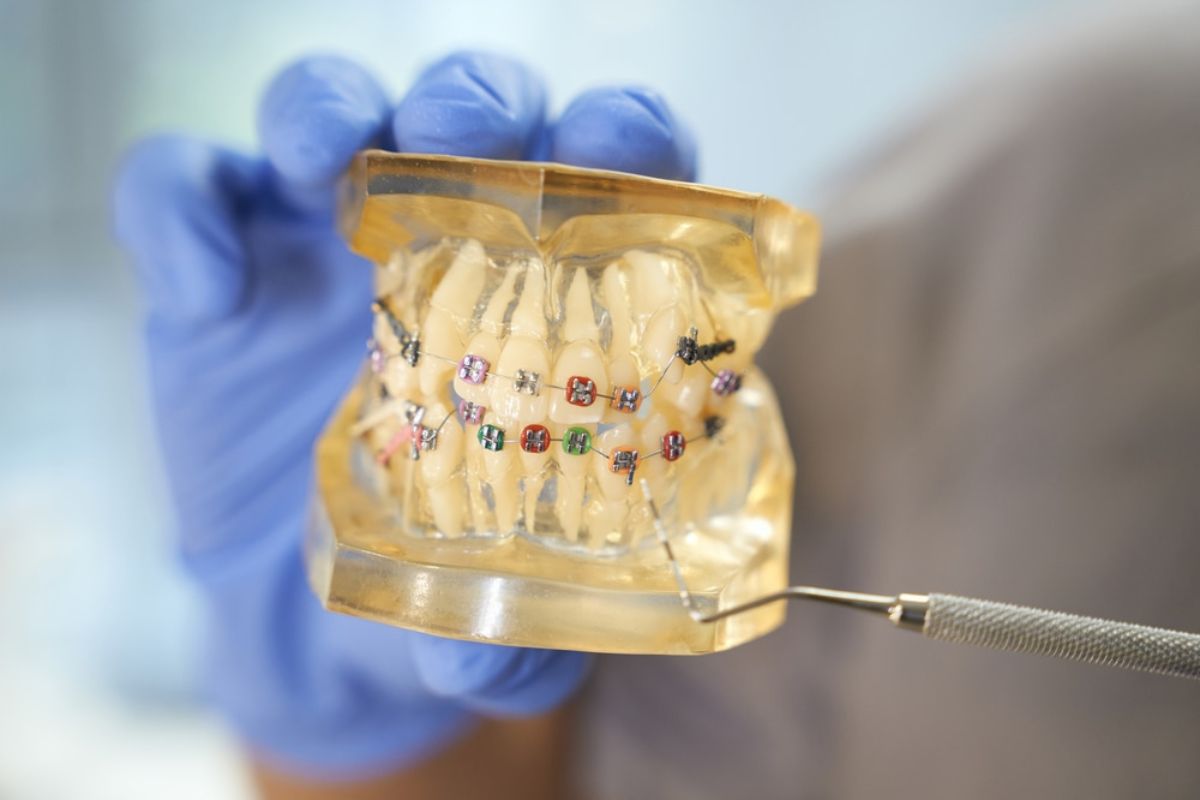
- Partial braces: Address specific alignment concerns.
Phase 1 treatment usually lasts 12 to 18 months, followed by a rest period where your child’s growth is monitored before starting Phase 2 if needed.
Is Your Child a Candidate for Phase 1 Orthodontics?
Every child’s dental needs are unique. If your child shows signs of orthodontic issues or you have concerns about their bite, an early evaluation can provide clarity. Families in Spring seeking orthodontic treatment can benefit from personalized care tailored to their child’s needs.
Early orthodontic care can set the foundation for a lifetime of healthy smiles. If you suspect your child may need Phase 1 orthodontics, don’t wait. Visit our local dental office to schedule a consultation and give your child the best start for a beautiful, healthy smile.