
Thumb-sucking is a common habit in young children. While it’s often considered harmless, prolonged sucking of the thumb can significantly impact dental health. As children grow, the pressure from sucking can lead to changes in the development of their teeth, jaw, and even their speech. Understanding the long-term effects of thumb sucking can help parents address the issue early on, potentially avoiding braces later.
Read this blog to explore how thumb-sucking influences a child’s dental structure. Keep scrolling down to learn how an orthodontist helps deal with this poor oral habit in little ones.
Thumb Sucking and Its Impact on Kids’ Dental Health
Thumb sucking might seem like a soothing habit, but over time, it can cause significant oral issues. The pressure exerted by a child’s thumb against the developing teeth and jaw creates a misalignment. Down the road, this condition can affect more than just facial appearance.
Misalignment and Bite Issues
The most common issue arising from thumb-sucking is dental misalignment. Constant thumb pressure pushes the teeth forward, causing an overbite. This can result in a noticeable gap between the upper and lower teeth. The longer the habit persists, the more pronounced these bite issues become. Children who suck their thumbs beyond age 4 or 5 are at a higher risk of developing malocclusions, which will likely require braces.
TMJ Disorders
This non-nutritive sucking habit can also affect the temporomandibular joint (TMJ). The TMJ joint, which connects the jawbone to the skull, is crucial for normal jaw movement. Prolonged sucking of the thumb can cause strain on the TMJ, leading to jaw pain, clicking sounds, or difficulty chewing. Early intervention of an orthodontist can help prevent this condition from becoming a more serious, long-term issue.
Changes in Jaw Structure
A child’s jaw is still developing, making it susceptible to external pressure. Self-soothing behavior can alter the natural growth of the jaw, often causing the upper jaw to become narrower. This narrowing can lead to a condition called a “crossbite,” where the upper teeth bite inside the lower teeth. A crossbite not only affects appearance but also makes chewing and speaking more difficult for children as they grow. This is when braces are recommended for smile correction.
Speech Impediments
Aside from dental and jaw-related issues, thumb sucking can also contribute to speech problems. Children who persist with thumb sucking may develop difficulty pronouncing certain sounds, like “S” and “TH.” This is because the forward position of the teeth and altered palate shape can affect tongue placement, disrupting clear speech. These issues often require speech therapy in addition to orthodontic treatment like braces to correct.
Does Orthodontic Treatment Address This Condition?
Yes, orthodontic treatment can effectively address the dental issues caused by non-nutritive sucking habits. While many children may grow out of the habit on their own, those who don’t often need help from an orthodontist. These professionals specialize in diagnosing and treating the misalignments that result from sucking the thumb.
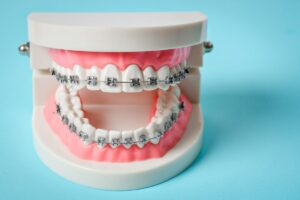
Braces are a common solution for correcting overbites, crossbites, and misaligned teeth. They gently align teeth, improving both a child’s smile and dental function. Early treatment prevents future problems like jaw pain or TMJ disorders. Addressing bite issues early helps avoid worsening complications. Consult an orthodontist at the first signs of misalignment, even in young children.
How Do Braces Minimize Thumb Sucking in Children?
Interestingly, getting braces can discourage thumb sucking in children. Once braces are applied, children find it physically uncomfortable to continue the habit, which helps them break it. The metal brackets and wires create a physical barrier that makes thumb-sucking less satisfying and, over time, less frequent.
Sometimes, an orthodontist or pediatric dentist may also recommend additional orthodontic appliances to further discourage non-nutritive sucking. These appliances are custom-made to fit the child’s mouth and serve as a gentle reminder not to suck their thumb. When combined with behavioral techniques and positive reinforcement, these methods help children stop thumb sucking for good.
When Should You See an Orthodontist in Spring?
If your child is still thumb sucking beyond the age of four, it may be time to see an orthodontist. Early intervention can prevent many of the complications caused by this habit. Orthodontists can evaluate your child’s dental development and suggest preventive measures or treatments to avoid serious issues later.
Thumb sucking is a common childhood habit, but it can have lasting effects on dental health. Misalignment, bite issues, and jaw structure changes are a few problems that may require orthodontic treatment down the line. Braces play a vital role in not only correcting these issues but also helping children break the habit for good. If your child shows signs of dental misalignment or continues thumb sucking beyond preschool years, consult an orthodontist in Spring. Early intervention can make a significant difference in shaping their future smile.