Buck teeth, medically known as overjet, occur when a child’s upper front teeth protrude outward, making the upper teeth stick out over the lower teeth. While this condition is common among children, it can cause functional and cosmetic concerns if left untreated. Understanding the causes and available treatment options can help parents make informed decisions to support their child’s oral health.
What Are Buck Teeth?
Buck teeth are more than just a cosmetic issue. Children with protruding front teeth may experience difficulty biting, chewing, or speaking properly, and they are at a higher risk of dental injuries from falls or sports activities. Fortunately, early orthodontic treatment can correct misalignment, improve oral function, and boost your child’s confidence and self-esteem.
Common Causes of Buck Teeth in Kids
Genetics
Family history plays a significant role in dental alignment. If a parent or sibling had protruding teeth, a child may inherit similar jaw and teeth structures.
Thumb Sucking or Pacifier Use
Prolonged thumb-sucking or pacifier use, especially beyond 3, can push the front teeth forward and affect jaw growth.
Tongue Thrusting
Habitual tongue pressure against the upper front teeth while swallowing or speaking can gradually cause teeth to protrude.
Medical Conditions or Mouth Breathing
In rare cases, conditions like enlarged tonsils or chronic mouth breathing can influence jaw growth and teeth alignment.
Potential Problems Caused by Buck Teeth
Left untreated, buck teeth can lead to several issues:
- Difficulty biting and chewing: Misaligned teeth make eating certain foods uncomfortable.
- Increased dental injury risk: Front teeth are more vulnerable to damage during falls or sports.
- Speech difficulties: Some children develop lisping or other speech issues.
- Emotional impact: Children may feel embarrassed about their smile, affecting their social confidence.
Diagnosing Buck Teeth in Kids
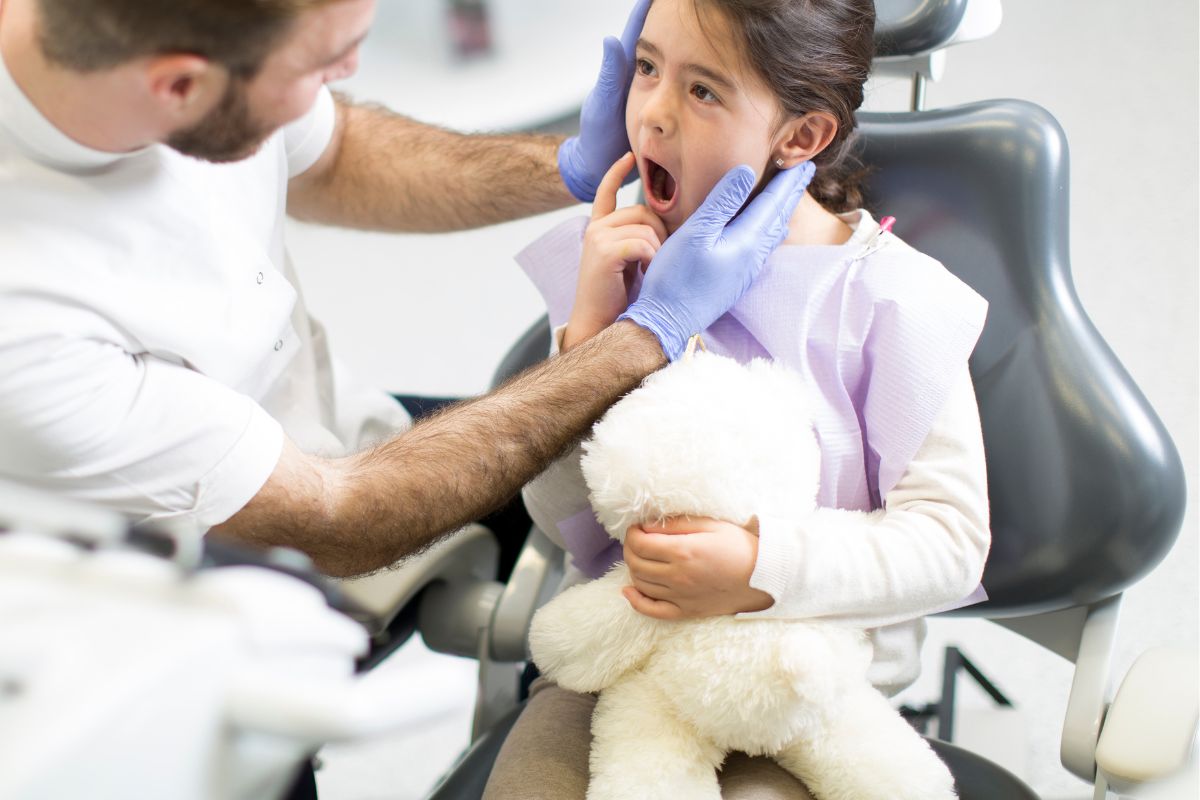
Pediatric dentists and orthodontists diagnose buck teeth using a combination of visual examinations, X-rays, and bite analysis. Early assessment is crucial, and the American Association of Orthodontists recommends that children have an orthodontic evaluation by age 7. Early detection allows for more effective, less invasive treatment options.
Treatment Options for Buck Teeth
Behavioral Changes
Stopping thumb-sucking or pacifier use early can prevent the condition from worsening.
Orthodontic Appliances
✔ Braces: Traditional metal braces, ceramic braces, or clear aligners can gradually move teeth into proper alignment.
✔ Retainers: Retainers help maintain corrected tooth positions after braces.
✔ Headgear: Orthodontists may use headgear to adjust jaw alignment in severe cases.
Timing of Treatment
Early intervention often produces the best results. Treating buck teeth while the child’s jaw grows can reduce the need for more extensive procedures later.
Preventive Measures
Parents can help minimize the risk of buck teeth by:
- Encouraging good oral habits.
- Limiting prolonged pacifier or thumb-sucking use.
- Scheduling regular dental check-ups starting at age 1.
Correct Buck Teeth Early—Book a Consultation Today
Buck teeth in children are common but manageable. By understanding the causes, recognizing potential problems, and exploring treatment options, parents can help their children achieve a healthy, confident smile. Early intervention with a pediatric dentist or orthodontist often results in more straightforward and effective correction.
Ready to correct your child’s buck teeth and boost their confidence? Visit Matthews & Dai Pediatric Dentistry & Orthodontics in Spring for a friendly, expert consultation. We proudly serve Spring, The Woodlands, Conroe, and nearby areas. Schedule your appointment today and start your child’s journey to a healthy smile!