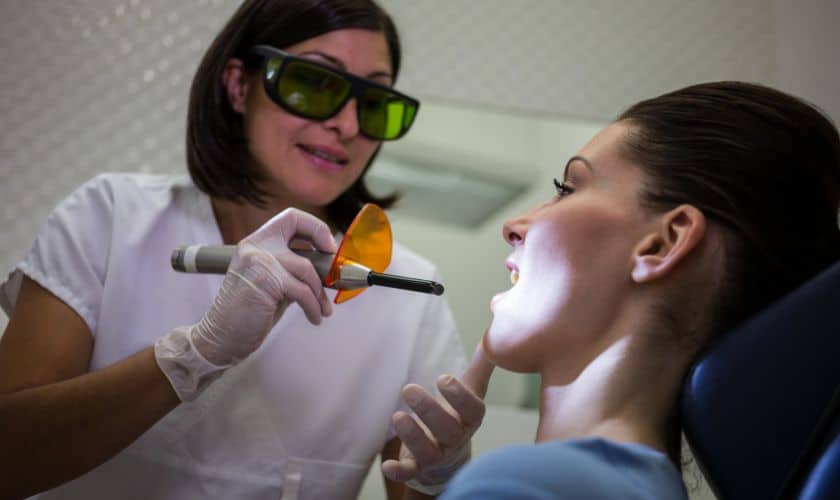
Do you experience jaw pain or discomfort when eating, speaking, or yawning? Perhaps you hear a clicking sound when moving your jaw? If so, you might be suffering from TMJ disorder. This condition affects the hinge joint that connects your skull and lower jawbone. While it can cause mild to severe pain and discomfort, there are several ways to manage this disorder effectively. In this blog post, we’ll explore the different types of TMJ disorders, and their symptoms, and share some tips on how to prevent and manage them. So sit back and read on!
The Types of TMJ Disorder
TMJ disorder, also known as a temporomandibular joint disorder, is a common condition that affects millions of people worldwide. It’s crucial to understand the different types of TMJ disorders to better manage and treat them.
The first type of TMJ disorder is Myofascial pain syndrome. This type causes discomfort or pain in your facial muscles and jaw joints, making it difficult for you to move your jaw freely.
Another type is Internal derangement of the joint. This occurs when there are problems with the disc positioned between the ball and socket components of your temporomandibular joint (TMJ). Symptoms include clicking or popping sounds while opening or closing your mouth.
Arthritis can also be a cause of TMJ disorders. Rheumatoid arthritis and osteoarthritis are two forms that affect this area around the jawline causing stiffness, tenderness, and inflammation along with limited movement in opening and closing mouth movements.
Lastly, Traumatic injury such as head trauma from car accidents or falls may result in dislocated jaw bones resulting in TMJ symptoms.
The Symptoms of TMJ Disorder
TMJ disorder is a painful condition that can be difficult to diagnose, as the symptoms can mimic those of other conditions. Some common symptoms of TMJ disorder include pain and discomfort in the jaw joint, difficulty opening or closing your mouth fully, clicking or popping sounds when you move your jaw, and headaches.
Another symptom of TMJ disorder is ear pain or ringing in the ears. This happens because the jaw joint is located close to the ears and can affect them if it becomes inflamed or irritated.
Muscle spasms in the face and neck are also common with TMJ disorder. These spasms may cause facial twitching, difficulty swallowing or speaking clearly, and even numbness or tingling sensations in some cases.
If left untreated, TMJ disorder may worsen over time leading to more severe complications such as chronic headaches, arthritis of the jaw joint, and damage to teeth from grinding or clenching. Therefore it’s important to seek treatment if you experience any of these symptoms on a regular basis.
How to Manage TMJ Disorder
TMJ disorder can be a painful and uncomfortable experience for those who suffer from it. However, there are ways to manage TMJ disorder that can help alleviate the symptoms and improve the overall quality of life.
One way to manage TMJ disorder is through lifestyle changes. This includes avoiding chewing gum or eating hard foods, practicing relaxation techniques such as meditation or yoga, and maintaining good posture throughout the day.
Another effective method for managing TMJ disorder is through physical therapy. A trained physical therapist can provide targeted exercises to strengthen the jaw muscles and improve mobility in the affected area.
In some cases, medication may also be prescribed by a healthcare provider to help manage pain associated with TMJ disorder. It’s important to always follow medication instructions carefully and speak with a healthcare provider if any side effects occur.
Alternative therapies such as acupuncture or chiropractic treatment may also offer relief for those experiencing TMJ disorder symptoms. However, it’s important to consult with a qualified practitioner before trying any alternative therapies.
Managing TMJ disorder involves making certain lifestyle changes while working closely with healthcare providers to find an effective treatment plan that works best for each individual case.
Prevention Tips for TMJ Disorder
TMJ disorder can be a painful and frustrating condition to deal with. However, there are some preventative measures you can take to minimize your risk of developing this disorder.
Firstly, it’s important to practice good posture throughout the day. Maintaining proper alignment while sitting, standing or sleeping will reduce tension in your jaw muscles and prevent them from becoming overworked.
Secondly, avoid chewing gum or biting on hard objects such as pens or pencils. This repetitive motion puts unnecessary strain on the jaw joint which can lead to TMJ disorder over time.
Thirdly, try incorporating relaxation techniques into your daily routine such as meditation or deep breathing exercises. Stress is a common trigger for TMJ pain so taking steps to manage stress levels may help prevent flare-ups.
If you grind your teeth at night, consider wearing a mouthguard while you sleep. This will protect your teeth from damage caused by grinding and also help alleviate any pressure that might be contributing to TMJ symptoms.
By following these simple prevention tips, you can reduce your risk of developing TMJ disorder and enjoy better oral health overall.
Conclusion
TMJ disorder can be a frustrating and painful condition that affects many people. Fortunately, there are several ways to manage this disorder effectively. It’s important to identify the type of TMJ disorder you have and its underlying causes, as well as recognizing the symptoms.
From there, incorporating at-home remedies such as exercises or hot/cold therapy can help alleviate pain and discomfort. Additionally, seeking professional treatment options like physical therapy or dental devices may also provide relief.
By taking preventative measures like reducing stress levels and maintaining good posture habits daily, individuals can not only minimize their risk of developing TMJ disorder but also improve their overall health in the process.
Managing TMJ disorder requires patience and persistence in finding what works best for your unique situation. However with time and effort invested towards proper self-care practices along with professional support when necessary – overcoming this condition is more than possible!