
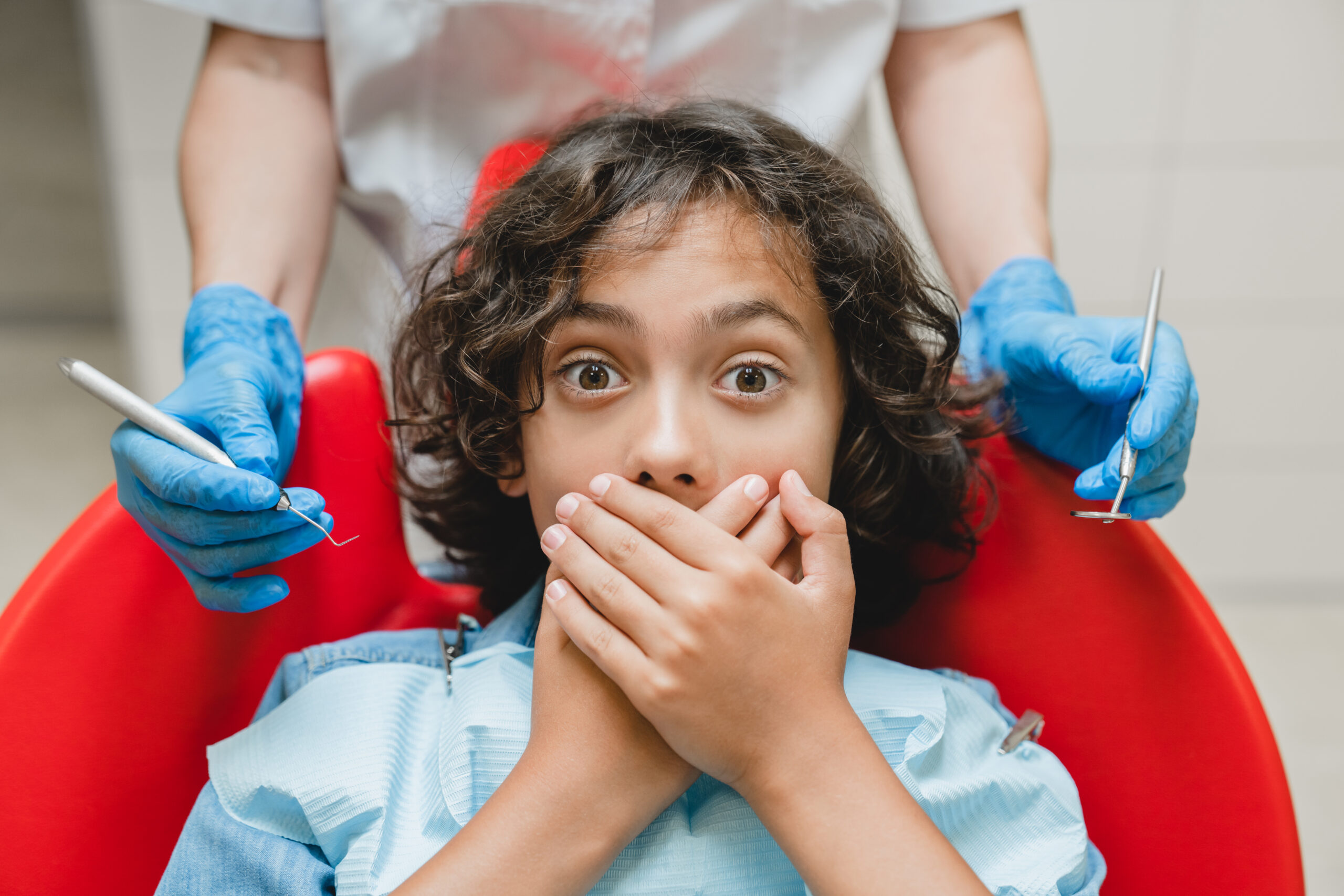
It’s not unusual for a child to cling to a parent’s hand before a dental visit. Some children worry about pain. Others feel uneasy simply because they don’t know what to expect. Many parents in Spring share that they’ve searched for a nearby children’s dental office after noticing their child becoming anxious days before an appointment.
The good news is that dental fear in children is common — and manageable. With thoughtful preparation and supportive pediatric dental care, most children learn to feel comfortable and even confident over time.
Why Children Feel Nervous About the Dentist
Understanding the source of fear helps parents respond calmly.
Fear of the unknown is one of the biggest factors. If a child has never been in a dental setting, their imagination often fills in the gaps.
Sounds and smells can also feel unfamiliar. The hum of equipment or the scent of a clinical space may seem overwhelming to young senses.
Separation anxiety plays a role for toddlers and preschoolers. Being unsure whether a parent will stay nearby can heighten stress.
Past medical experiences, even unrelated ones, may influence how a child perceives future appointments.
Finally, developmental stage matters. Young children think concretely and may struggle to understand abstract reassurances. Older children may worry about embarrassment or discomfort.
Recognizing these factors allows parents to approach preparation with empathy rather than frustration.
How Parents Can Prepare at Home
Preparation doesn’t need to be complicated. In fact, simple steps are often most effective.
Start by talking positively about the visit. Keep your tone neutral and relaxed. Children notice when adults feel tense.
Avoid introducing scary or dramatic words. Instead of describing drills or needles, focus on how the dentist “counts teeth” or “checks for sugar bugs.”
Role-playing dentist at home can be surprisingly helpful. Take turns pretending to be the dentist and the patient. Let your child practice opening wide or counting teeth with a toothbrush.
Reading child-friendly dental books can also normalize the experience. Seeing familiar characters visit the dentist helps children feel less alone.
Above all, keep explanations simple and honest. If your child asks whether something might feel different, you can say, “It might feel a little strange, but the dentist will explain everything.”
What to Say — and What to Avoid
Well-meaning reassurance can sometimes increase anxiety.
Avoid phrases like, “It won’t hurt.” Children may interpret that as confirmation that pain is expected. Instead, say, “The dentist will be gentle and explain what’s happening.”
Avoid using dental visits as a consequence, such as, “If you don’t brush, the dentist will be upset.” Dentistry should never feel like punishment.
Use calm, age-appropriate language. For younger children, short explanations work best. For school-aged kids, giving them a sense of control — such as agreeing on a hand signal if they need a break — can be empowering.
Scheduling Strategies That Help
Timing matters, especially for younger children.
Morning appointments are often ideal because children are more rested and routines haven’t yet been disrupted by a busy day of school or activities.
Try to avoid nap-time conflicts. A tired child is more likely to feel overwhelmed.
Allow extra time before the visit so the transition feels calm rather than rushed. A relaxed start can set the tone for the entire experience.
How Pediatric Dental Offices Support Anxious Children
A child-focused dental environment is designed to reduce stress from the moment a family walks in.
Friendly décor, a welcoming team, and gentle introductions help children adjust gradually.
Many pediatric practices encourage parent presence during treatment, especially for younger patients, to maintain a sense of security.
Dentists often use the tell-show-do technique. This means explaining a tool in simple language, demonstrating it on a finger or mirror first, and then proceeding carefully.
Behavior guidance strategies are tailored to each child’s personality and developmental stage. For children with significant anxiety, sedation dentistry may be discussed in certain situations, always with safety and appropriateness in mind.
How Pediatric Dentists Build Trust Over Time
Confidence rarely develops in a single visit. It grows through consistency.
A preventive-first philosophy allows children to become familiar with the dental setting before more complex procedures are ever needed.
Gradual exposure — short, positive visits early in life — reduces fear later on.
Listening closely to both parent and child is central to trust-building. When children feel heard, they often relax.
Long-term relationships matter. Seeing the same team over time helps children associate dental care with familiarity rather than uncertainty.
For families in Spring balancing school schedules, weekend sports, and community events, establishing this routine early makes dental visits feel like a normal part of growing up.
If your child feels nervous about an upcoming appointment, it can help to talk through concerns ahead of time. A calm, personalized approach often makes all the difference. Families who would like to discuss their child’s specific worries are welcome to schedule a visit to our Spring practice and explore strategies that fit their child’s personality and comfort level.
Frequently Asked Questions
Is dental anxiety common in children?
Yes. Many children experience some level of nervousness, especially during early visits. With supportive preparation and positive experiences, most children grow more comfortable over time.
At what age should a child start dental visits?
The American Academy of Pediatric Dentistry recommends establishing care by a child’s first birthday or when the first tooth appears.
Can I stay in the room during my child’s appointment?
In many cases, yes. Parent presence can be helpful, particularly for younger children. Your dental team can guide you on what works best for your child.
What if my child cries during the visit?
Crying is a common response to new experiences. Pediatric teams are trained to respond calmly and adjust their approach as needed.
Are there safe options for very anxious children?
Yes. For children with significant fear or treatment needs, options such as sedation may be considered after careful evaluation and discussion with parents.