A healthy bite does more than create a balanced smile. It also supports speech, chewing, breathing, and jaw comfort. Many parents notice something looks slightly uneven in their child’s teeth. However, they are unsure whether it is part of normal development or a concern that needs attention. Bite alignment issues often start early, and recognizing them sooner can make a meaningful difference. During humid summers in Spring, many local families spend weekends enjoying festivals, barbecue spots, and outdoor events where smiling for photos becomes part of everyday life. Bite alignment concerns often become more noticeable in those moments.
According to the National Institute of Dental and Craniofacial Research, bite irregularities are among the most common oral health concerns in children and teens. The terms overbite and underbite describe how the upper and lower teeth fit together. While some cases appear mild, others can affect comfort, confidence, and oral function over time. Matthews & Dai Pediatric Dentistry & Orthodontics provides orthodontic care designed specifically for growing smiles. Our team guides proper dental development and helps families understand how bite issues affect kids at different growth stages.
What Makes a Bite Shift Out of Alignment?
A closer look at why bite issues develop can help parents recognize early warning signs before they become harder to correct.
Genetics Often Plays a Major Role
Many bite concerns run in families. Jaw size, tooth spacing, and facial growth patterns often pass from one generation to another. A kid may inherit a larger upper jaw or a smaller lower jaw, leading to uneven alignment. Sometimes the teeth appear crowded because the jaw does not provide enough room. Other kids develop noticeable spacing because their jaws grow differently over time.
Childhood Habits Can Influence Jaw Growth
Certain habits place pressure on developing teeth and jaw structures. Thumb sucking, extended pacifier use, tongue thrusting, and mouth breathing may gradually shift alignment during early childhood. Small changes repeated daily can affect how teeth erupt and how the jaws meet together. Parents may not notice these gradual changes until permanent teeth begin coming in.
Injuries and Premature Tooth Loss Matter Too
Sports injuries, falls, or early loss of baby teeth may also affect alignment. Teeth often drift when neighboring teeth no longer support proper spacing. Without guidance, new teeth may erupt in the wrong position and change how the bite fits together.
How Can Parents Tell If Something Looks Off?
Many bite concerns develop gradually, so subtle signs often appear before major alignment problems become visible.
Upper Teeth That Cover Too Much
Children with overbite teeth may show excessive overlap of the upper front teeth over the lower teeth. In some cases, the lower teeth barely appear when the kid smiles or talks. Some kids also experience jaw tension, speech changes, or uneven tooth wear because of the added pressure during chewing.
Lower Teeth That Sit Too Far Forward
Some kids develop a bite where the lower jaw extends farther outward than expected. The jaw may appear more prominent from the side profile. This alignment sometimes creates chewing difficulties or speech challenges. Some kids also avoid smiling because they feel self-conscious about their appearance.
Other Signs Families Often Notice
Parents sometimes spot indirect symptoms before identifying the bite itself. These signs may include:
- Frequent biting of the cheeks
- Difficulty chewing certain foods
- Mouth breathing during sleep
- Jaw clicking sounds
- Speech struggles with certain letters
- Uneven tooth wear
- Teeth grinding at night
Why Early Evaluations Matter for Growing Smiles?
Children’s jaws continue developing for years, making early guidance especially important during growth periods.
Growth Stages Create Better Opportunities
Orthodontic evaluations during childhood help identify concerns before jaw growth finishes. Guiding development early may reduce future complications and improve overall alignment. The American Association of Orthodontists recommends an orthodontic evaluation by age seven because many bite concerns become easier to manage while the jaw still develops.
Early Care Can Improve Daily Comfort
Children with underbite teeth sometimes struggle with chewing, speech clarity, jaw fatigue, or confidence around peers. Correcting bite problems may help improve daily comfort while supporting healthier oral function as kids grow older.
Confidence Often Improves Alongside Alignment
School years can feel socially challenging when kids feel different from their classmates. Many kids become hesitant to smile openly if their teeth appear noticeably uneven. Helping improve alignment during childhood often supports emotional confidence during important developmental years.
What Treatment Options May Help Different Bite Concerns?
Different bite patterns require different approaches. Orthodontic care depends on jaw growth, tooth position, and the severity of alignment changes.
Orthodontic Monitoring During Growth
Some kids benefit from regular monitoring before active treatment begins. Tracking jaw development allows specialists to identify the right timing for care. Growth changes happen quickly during childhood and adolescence. Monitoring helps guide decisions based on how the teeth and jaws develop together.
Traditional Orthodontic Solutions
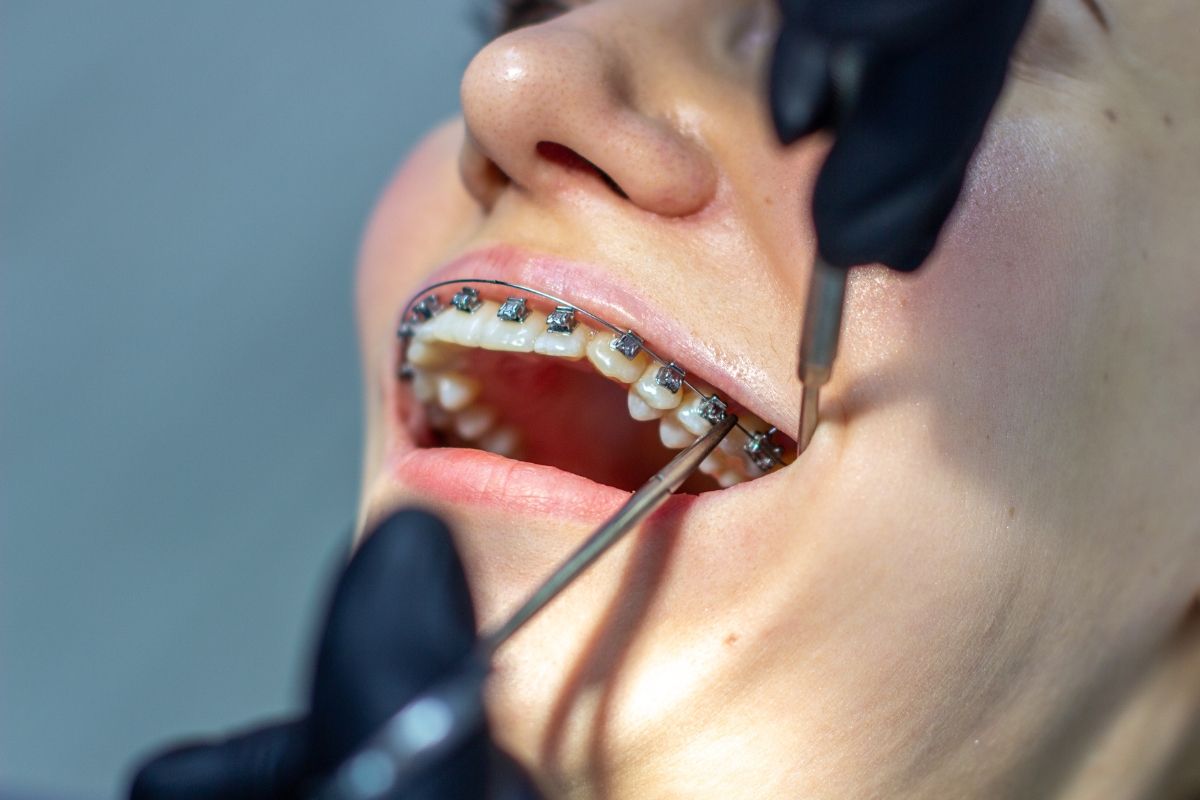
Many patients benefit from braces for overbite correction during important growth stages. Braces gradually guide teeth into healthier positions while improving alignment between the upper and lower jaws. Treatment timing often depends on how the child’s jaw continues to develop.
Customized Care Based on Individual Needs
No two smiles develop exactly alike. Some kids require limited correction, while others need longer orthodontic guidance based on jaw growth patterns. Dental offices evaluate each child individually and recommend care based on developmental needs, not trends or shortcuts.
What Happens If Bite Problems Go Untreated?
Some mild cases stay stable, but more significant alignment issues may create additional concerns over time.
Tooth Wear May Increase
Uneven pressure causes certain teeth to absorb more force during chewing. This added stress can gradually wear down enamel and increase sensitivity. Over time, uneven wear may also affect tooth shape and function.
Jaw Strain Can Develop
Some patients may benefit from underbite teeth braces to help improve jaw alignment and reduce pressure on surrounding muscles and joints. Without proper guidance, jaw discomfort and uneven movement may gradually worsen over time.
Cleaning Teeth Becomes Harder
Crowded or uneven teeth create tight areas where food and plaque collect more easily. These spaces become harder to clean properly with brushing and flossing alone. That buildup may increase the risk of cavities and gum irritation over time.
A Healthier Bite Starts With the Right Guidance
Bite alignment affects much more than appearance. The way teeth and jaws fit together influences speech, comfort, chewing, and long-term oral health. Understanding early signs helps families make informed decisions before problems become more difficult to manage later.
At Matthews & Dai Pediatric Dentistry & Orthodontics, we provide personalized orthodontic guidance for children and teens throughout the area. We focus on helping young patients feel comfortable while supporting healthy dental development at every stage of growth. So book an appointment today and visit our dental office in Spring for a professional evaluation.
FAQs
At what age should kids receive a bite evaluation?
Many specialists recommend evaluations around age seven. Early visits help identify developing concerns while the jaw still grows. Even if treatment does not begin immediately, monitoring helps guide future decisions and supports healthier dental development over time.
Can jaw alignment affect speech development?
Yes. Certain bite patterns may interfere with tongue movement and pronunciation. Some children struggle with sounds involving the front teeth. Addressing alignment concerns may improve speech clarity while also supporting chewing comfort and oral function.
Are bite issues always inherited?
Family history often contributes to jaw and tooth alignment, but habits and growth patterns also matter. Thumb sucking, mouth breathing, and prolonged pacifier use may influence development during childhood and create noticeable alignment changes later.
Do bite problems worsen with age?
Some mild concerns remain stable, but others gradually become more noticeable over time. Growth changes, tooth wear, and jaw strain may increase if alignment issues remain untreated. Early evaluations help determine whether monitoring or treatment may become necessary later.
Can uneven bites affect chewing comfort?
Yes. Misaligned teeth sometimes create uneven pressure while chewing. Some kids avoid certain foods because biting feels uncomfortable or awkward. Correcting alignment may improve chewing efficiency and reduce stress on surrounding teeth and jaw muscles.
Why do some children lose baby teeth unevenly?
Every kid develops differently, but uneven tooth loss may sometimes influence spacing and alignment. When neighboring teeth shift into open spaces too early, permanent teeth may erupt in less ideal positions and affect bite development later.