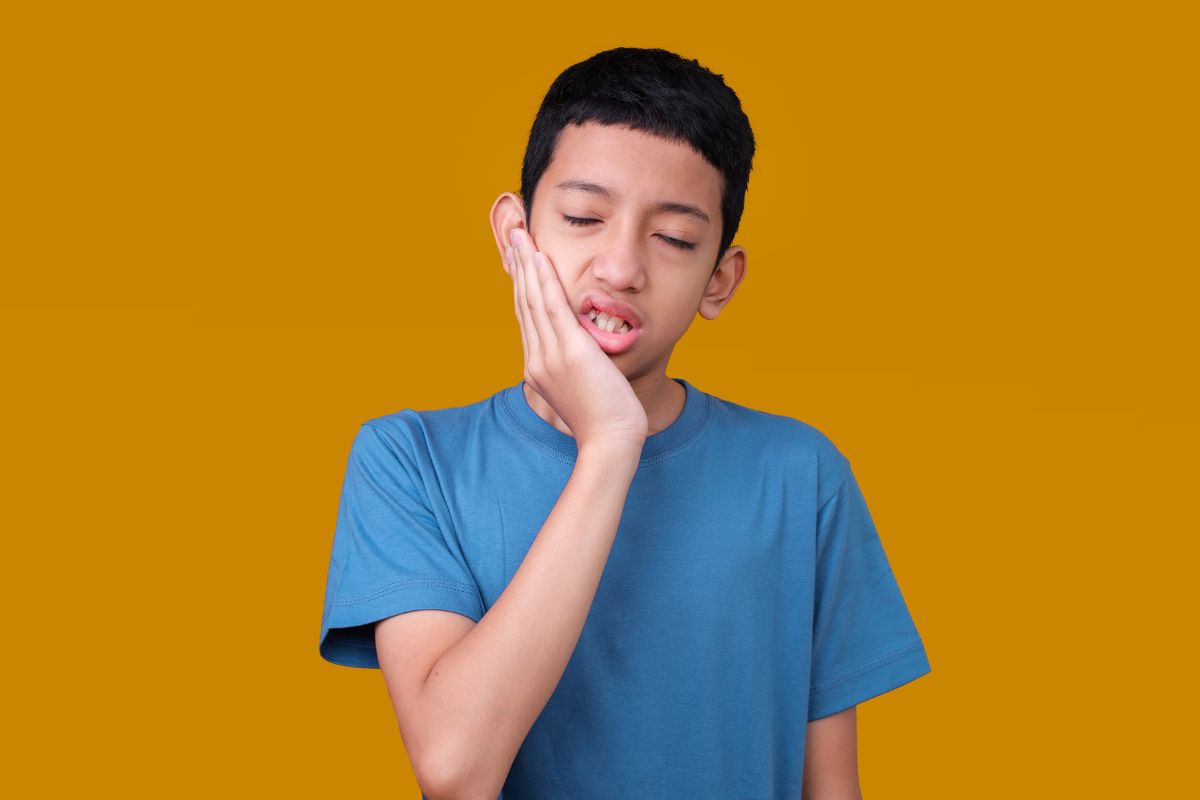
Is your child struggling with jaw pain, difficulty chewing, or frequent headaches? TMJ (temporomandibular joint) disorders in children are more common than many parents realize, and they can disrupt everyday activities like eating, speaking, and even playing. Instead of immediately turning to medications or invasive treatments, myofunctional therapy offers a simple and effective way to relieve TMJ pain naturally. These specialized exercises help strengthen facial and jaw muscles, correct poor oral habits, and promote healthy jaw function.
This blog will walk you through the top five myofunctional therapy exercises explicitly designed to help your child feel better and regain confidence. These easy-to-follow steps empower parents to actively support their child’s oral health journey, leading to long-term comfort and well-being.
Top 5 Myofunctional Exercises for TMJ Relief:
1. Tongue Posture Exercise
Encourage your child to maintain correct tongue posture by placing the tongue gently against the roof of the mouth. Have them hold this position for 5 to 10 seconds, repeated 10 times. This simple exercise strengthens the tongue and jaw muscles, helping stabilize the TMJ and promoting proper oral posture.
2. Lip Seal Exercise
A weak lip seal often contributes to TMJ issues in children. Please help your child practice keeping their lips together without straining for 10 to 15 seconds. Repeat this exercise 10 times daily. A strong lip seal supports proper jaw alignment and reduces tension in the TMJ area.
3. Controlled Jaw Opening
Have your child slowly open and close their mouth while focusing on smooth, controlled movements. Start with small jaw openings and gradually increase the range of motion as strength improves. This exercise strengthens jaw muscles and promotes proper joint alignment. A pediatric dentist can guide you in customizing this exercise to your child’s needs.
4. Cheek Muscle Strengthening
Ask your child to smile widely, hold the position for 10 seconds, and then relax. Repeat this exercise 10 times in the morning and evening. Strong cheek muscles improve facial balance and reduce strain on the jaw, providing better support to the TMJ.
5. Chin Tucks
Chin tucks help improve posture and reduce forward head posture, contributing to TMJ pain. Guide your child to gently pull their chin toward the neck without tilting the head. Hold the position for 5 seconds and repeat 10 times. Consistent practice promotes proper neck and jaw alignment.
Why Myofunctional Therapy Matters
Poor oral habits, such as mouth breathing, thumb sucking, or incorrect tongue posture, often contribute to TMJ problems in children. Myofunctional therapy works by strengthening the muscles involved in chewing and swallowing, helping children develop proper jaw and oral function while correcting harmful habits. Combined with professional guidance from a pediatric dentist, it provides long-term relief from TMJ discomfort and prevents future complications.
FAQ Section
Q. How long does it take to see results from myofunctional therapy?
A. Most children notice improvement in TMJ pain and jaw function within a few weeks of consistent practice, though it varies by individual.
Q. Can these exercises replace medical treatment for TMJ disorders?
A. Myofunctional therapy complements medical care but doesn’t replace professional evaluation by a pediatric dentist, especially for severe cases.
Q. How often should my child do these exercises?
A. Aim for daily practice, ideally two sessions per day, to strengthen muscles and improve posture effectively.
Ready to help your child overcome TMJ pain and enjoy a pain-free smile? Don’t wait another day. Schedule an appointment with our expert pediatric dentist in Spring, TX, and get personalized myofunctional therapy solutions designed just for your child. Let us guide you toward lasting relief and healthier jaw development. Book your visit now and take the first step toward your child’s brighter, more comfortable future.