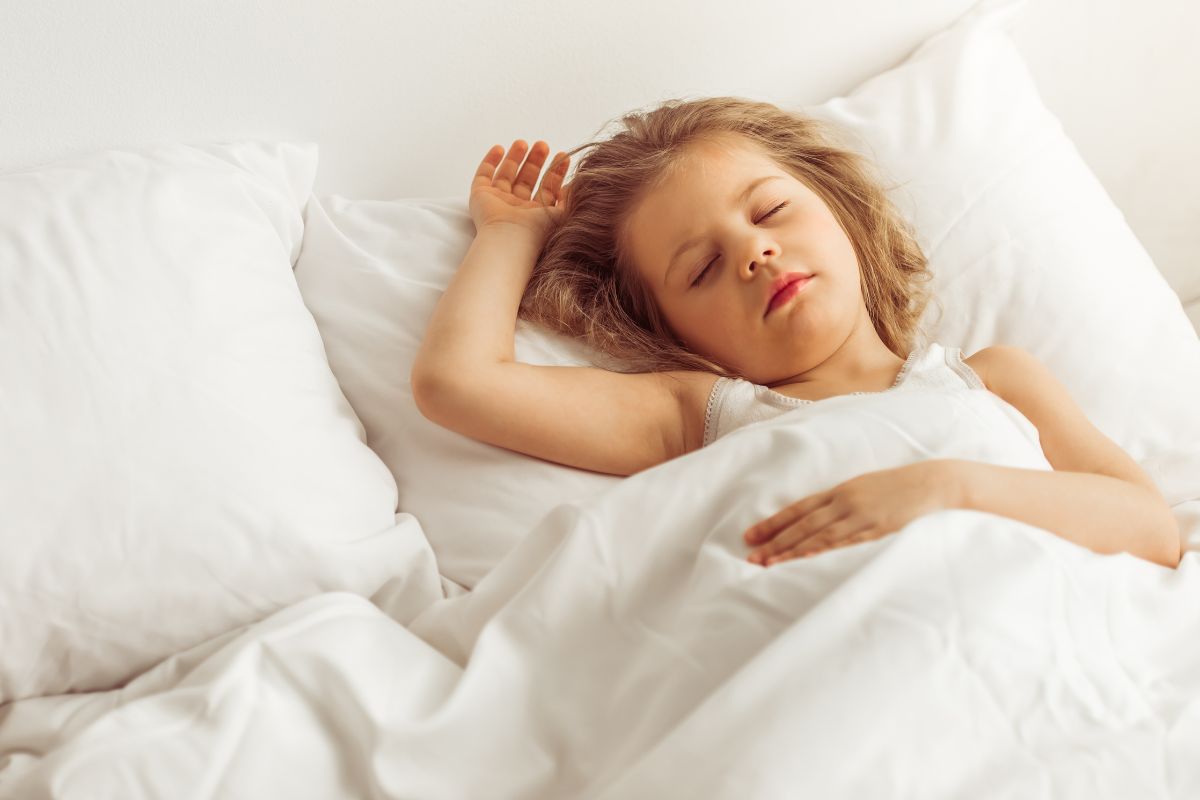
Sleep apnea can affect children’s growth, behavior, and overall health. While severe cases may require medical intervention, simple natural remedies and lifestyle changes can significantly reduce symptoms. By adopting daily habits that support healthy breathing and sleep, parents can help their children sleep more soundly and improve their overall quality of life.
1. Maintain a Healthy Weight
Excess weight can contribute to sleep apnea in kids by increasing pressure on the airway. Encourage your child to eat a balanced diet of fruits, vegetables, whole grains, and lean proteins. Regular physical activity like swimming, cycling, or walking can promote weight management and better sleep. Creating a consistent meal and activity schedule ensures your child maintains a healthy weight that supports airway function.
2. Improve Sleep Hygiene
Establishing a calming bedtime routine can help reduce sleep apnea symptoms. Encourage your child to go to bed simultaneously every night and create a sleep-friendly environment. Keep the bedroom dark, calm, and quiet. Limit screen time at least an hour before bed and promote relaxing activities such as reading or gentle stretching. Good sleep hygiene strengthens respiratory function and supports uninterrupted sleep.
3. Sleep Solutions with Pediatric Dentistry
A child’s oral and nasal structure plays a significant role in sleep apnea. Pediatric airway dentistry can identify issues such as enlarged tonsils, adenoids, or misaligned jaws that block airflow. Simple interventions like tongue exercises, myofunctional therapy, or mouth-friendly appliances can improve airway function naturally. Parents should consult a pediatric dentist if their child snores, struggles to breathe at night, or shows signs of restless sleep.
4. Encourage Breathing Exercises
Breathing exercises can strengthen airway muscles and promote nasal breathing during sleep. Techniques like slow, deep breathing or guided exercises from a pediatric therapist can improve oxygen flow and reduce apnea events. Teaching children to breathe through the nose instead of the mouth helps keep airways open and supports overall respiratory health.
5. Reduce Allergens and Irritants
Environmental factors such as dust, pollen, and pet dander can worsen sleep apnea symptoms. Keep your child’s bedroom clean, vacuum regularly, and use hypoallergenic bedding. Avoid exposure to cigarette smoke or strong fragrances, as they irritate the airways and disrupt sleep. Reducing allergens ensures your child breathes easily throughout the night.
6. Prioritize Hydration
Proper hydration keeps mucus thin and airways clear. Encourage your child to drink plenty of water throughout the day. Avoid sugary beverages or excessive caffeine, which can interfere with sleep quality. Hydration supports smooth airflow and can reduce snoring and mild apnea episodes.
Sleep apnea can disrupt your child’s sleep and affect daily life, but natural remedies and lifestyle changes can make a real difference. Maintaining a healthy weight, practicing good sleep hygiene, managing allergens, and focusing on pediatric airway dentistry can all improve sleep quality.
When to Contact a Pediatric Dentist
While natural remedies and lifestyle changes can reduce mild sleep apnea symptoms, some situations require professional evaluation. Contact a pediatric dentist if your child:
- Snores loudly or frequently during sleep
- Experiences pauses in breathing or gasping at night
- Breaths primarily through the mouth
- Shows signs of restless sleep, such as tossing and turning or sweating
- Struggles with daytime fatigue, irritability, or difficulty concentrating
A pediatric dentist specializing in airway health can assess your child’s oral and nasal structure, identify issues like enlarged tonsils or misaligned jaws, and recommend effective treatments. Early intervention supports better sleep, proper growth, and overall health.
Give your child the gift of better sleep and healthier breathing tonight. Visit our dental office in Spring to schedule a consultation with our pediatric dental experts and get personalized guidance to reduce sleep apnea symptoms. Let’s help your child breathe easier and wake up refreshed every day.
FAQ Section
Q1: Can natural remedies alone cure sleep apnea in kids?
A: Natural remedies can reduce mild symptoms, but severe cases may require medical or dental intervention.
Q2: How do I know if my child needs pediatric airway dentistry?
A: Frequent snoring, pauses in breathing, restless sleep, or mouth breathing are signs to consult a pediatric dentist.
Q3: Are breathing exercises safe for children?
A: Yes. Guided breathing exercises are safe and effective when practiced regularly under supervision.