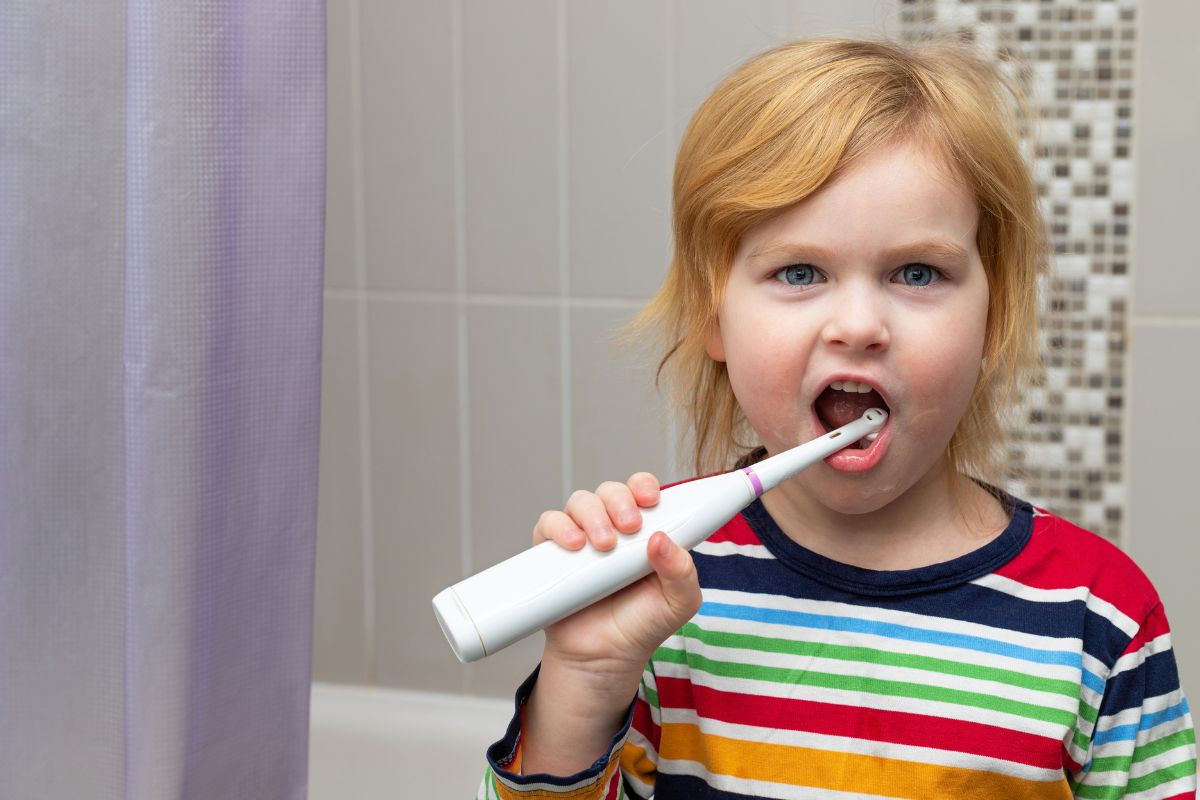
Getting kids to brush their teeth can feel like a twice-daily battle, but you’re not alone. Many parents in Spring and across the country face the same challenge. Good oral hygiene habits start young, and the earlier you guide your child, the easier it becomes to prevent cavities, gum disease, and costly dental issues later.
Here’s a practical, expert-backed guide to help you turn brushing time from tantrum time into a healthy routine your child embraces.
Why Kids Resist Brushing—and What You Can Do About It
Children often resist brushing for a few key reasons:
- It feels boring or like a chore
- They dislike the taste or texture of toothpaste
- Brushing feels uncomfortable or strange
- They want independence and control
To overcome these challenges, it’s essential to understand the root of their resistance. The goal isn’t to force your child into compliance—it’s to help them understand the why behind brushing and make it enjoyable enough to stick with.
How to Make Tooth Brushing Fun and Engaging
Let Them Choose Their Toothbrush and Toothpaste
Kids love having a say in their routine. Let them pick a colorful toothbrush or one featuring their favorite character. Offer options for fluoride toothpaste in mild, kid-friendly flavors.
Turn It Into a Game or Song
Use a timer or play a two-minute brushing song to keep them engaged. Apps like Brush DJ or Disney Magic Timer turn brushing into a fun countdown event.
Brush Together as a Family
Modeling good habits is one of the most effective teaching tools. When your child sees you brushing consistently, they’re more likely to follow suit. Plus, brushing together allows for quality time and positive reinforcement.
Use Positive Reinforcement
Create a brushing chart and reward consistent effort with prizes, stickers, or extra bedtime stories. Celebrating small wins can keep motivation high.
Explain the Importance of Oral Health in Kid Terms
Tell stories about sugar bugs or explain how brushing strengthens their superhero smile. Keep it light but meaningful.
If your child still resists brushing, it might be time to involve a professional. A kids’ dentist can offer valuable tips and make dental health exciting. That’s where our dental office comes in—they’re known for making pediatric visits stress-free and educational for children in Spring.
When to Get Help from a Pediatric Dentist
If your child consistently avoids brushing or you notice early signs of cavities or bad breath, it’s time to consult with a professional. A pediatric dentist can offer age-appropriate advice, assess your child’s dental development, and ease dental fears.
Build Habits That Last a Lifetime
You don’t need to win every brushing battle overnight. The goal is progress, not perfection. Your child can learn to enjoy caring for their teeth with creativity, patience, and professional support. Early positive experiences with oral hygiene can shape your child’s health for life.
Book a Pediatric Dentistry Consultation in Spring
If you’re ready to get your child back on track with their dental routine—or want expert advice—Matthews & Dai Pediatric Dentistry & Orthodontics is here to help. Book a consultation today and discover how a warm, child-focused approach can turn dental care into something your little one looks forward to.
FAQs:
Q1: At what age should a child start brushing their teeth?
A: Start when the first tooth erupts—usually around 6 months. Use a soft-bristled infant toothbrush and a rice-sized smear of fluoride toothpaste.
Q2: How often should kids brush their teeth?
A: Children should brush twice a day for two minutes each time, with adult supervision, until they are at least 6 years old.
Q3: What if my child swallows toothpaste?
A: Use only a small, pea-sized amount of fluoride toothpaste. Swallowing occasionally isn’t dangerous, but encourage them to spit it out.
Q4: Can a dentist help my child develop brushing habits?
A: Yes! A pediatric dentist can demonstrate proper techniques, offer advice tailored to your child’s needs, and make dental care fun and safe.