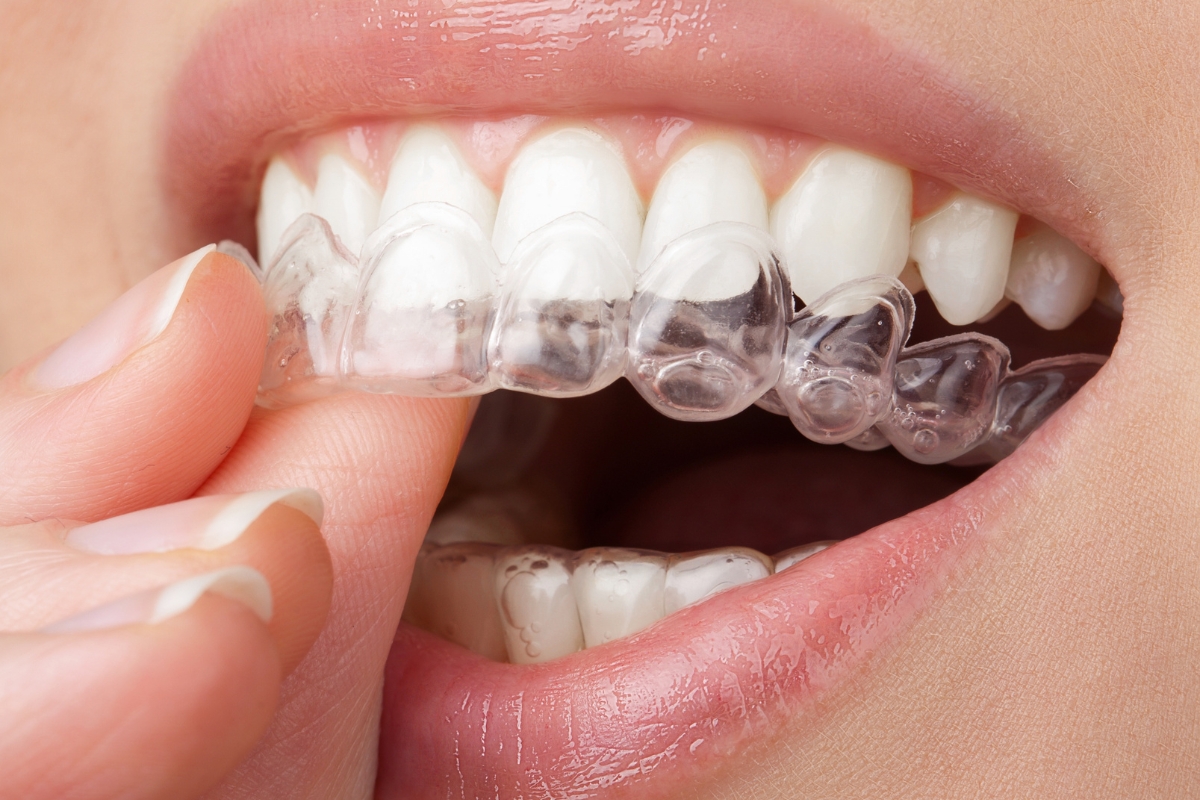
Clear aligners look almost invisible when they stay clean. But many patients notice cloudy trays, odors, or stains only weeks into treatment. Coffee, sauces, sports drinks, and even dry mouth can leave buildup behind faster than expected. Once plaque and bacteria settle into aligners, the trays stop feeling fresh and may even affect confidence during conversations. After grabbing barbecue or sipping iced coffee during a humid afternoon, aligners can collect stains surprisingly fast. Small daily habits often decide whether trays stay clear or start looking yellow.
Many patients searching for the best way to clean Invisalign aligners often receive mixed advice online. Some methods damage the trays instead of protecting them. Others simply fail to remove bacteria completely. Proper cleaning keeps aligners looking clear while supporting better oral hygiene throughout treatment. Matthews & Dai Pediatric Dentistry & Orthodontics offers orthodontic care designed to help patients maintain healthier and more confident smiles. Understanding how to care for aligners daily helps protect treatment progress and keeps trays looking nearly invisible.
Why Clear Aligners Lose Their Shine Faster Than People Expect?
Before discussing cleaning routines, it helps to understand what causes discoloration and buildup on aligners in the first place:
Saliva Leaves Behind Minerals
Saliva contains natural minerals that collect on aligners throughout the day. Without proper rinsing, the trays can appear cloudy or rough.
Food Particles Stick Easily
Even small food particles trapped between teeth can transfer onto aligners. This buildup creates odors and makes trays look dull.
Hot Drinks Can Damage the Plastic
Coffee and tea remain common causes of aligner discoloration. Heat may also warp the tray shape over time.
Bacteria Thrive in Moist Environments
Aligners stay warm and moist inside the mouth. That environment allows bacteria to multiply quickly without consistent cleaning.
Many local patients notice extra aligner buildup after outdoor events, especially during warmer months when dehydration becomes more common.
What Should a Daily Invisalign Cleaning Routine Actually Look Like?
A proper routine keeps trays clear without damaging the material:
- Rinse Aligners Every Time They Come Out: Dry saliva hardens quickly. Rinsing trays immediately helps prevent mineral buildup before it sticks permanently.
- Use Lukewarm Water Only: Hot water changes the aligner shape. Cold or lukewarm water protects the fit and keeps treatment moving properly.
- Clean Aligners Morning and Night: Skipping nighttime cleaning allows bacteria and plaque to remain trapped for hours. Consistent cleaning keeps trays fresher.
- Soak Trays the Right Way: Patients often ask about the best invisalign cleaner for daily maintenance. Mild aligner soaking crystals or approved cleaning products usually work better than harsh homemade mixtures.
- Brush Teeth Before Reinserting Aligners: Food debris transfers directly into trays after meals. Brushing first helps prevent odors and staining.
Common Cleaning Mistakes That Quietly Damage Aligners
Some cleaning habits appear harmless, but actually shorten the life of the trays:
- Using Toothpaste Too Aggressively: Many whitening toothpastes contain abrasive ingredients. Those particles create scratches that make trays appear cloudy.
- Leaving Aligners Wrapped in Napkins: Patients accidentally throw aligners away more often than expected. Napkins also expose trays to bacteria from surrounding surfaces.
- Eating With Aligners In Place: Chewing with trays increases staining and may crack the plastic. Sugary drinks trapped inside aligners also raise cavity risk.
- Ignoring the Storage Case: The question of how to clean the invisalign case becomes important because bacteria often collect inside storage containers. Washing the case daily with mild soap and warm water helps reduce odors.
Trying DIY Disinfecting Methods: Some online videos suggest bleach or boiling water. These methods can permanently damage aligners and create safety concerns.
Quick Habits That Help Aligners Stay Clear Longer
Small habits throughout the day often matter more than occasional deep cleaning:
- Drink water often to reduce dry mouth
- Remove aligners before coffee or soda
- Carry a travel toothbrush during long outings
- Store trays in their case during meals
- Rinse trays after snacks or sports drinks
- Avoid colored mouthwash products
- Clean trays before bedtime every night
During outdoor festivals and community events, carrying a travel case helps prevent aligners from drying out or collecting debris between meals.
How Professional Guidance Helps Protect Invisalign Results?
At home cleaning matters, but professional monitoring also protects aligner treatment from avoidable problems:
- Regular Checkups Catch Early Issues: Cloudy trays sometimes signal improper hygiene or fit problems. Early evaluation helps prevent treatment delays.
- Oral Hygiene Affects Aligner Appearance: Plaque buildup on teeth transfers directly onto trays. Professional cleanings help keep aligners clearer during treatment.
- Orthodontic Teams Provide Safer Cleaning Advice: Patients often search online for how to sterilize invisalign trays using household products. Professional guidance helps avoid methods that damage the aligners.
- Healthy Habits Support Better Smile Results: Clear aligners work best when patients stay consistent with both wear time and hygiene routines.
Many families visiting local spots appreciate aligner routines that stay simple enough for busy summer schedules.
A Clearer Routine Creates a Better Invisalign Experience
Clean aligners do more than improve appearance. They help patients feel comfortable speaking, smiling, and staying consistent with treatment. Daily habits often make the biggest difference between trays that stay nearly invisible and trays that quickly look worn out. Simple care routines protect aligners from stains, odors, and buildup while supporting healthier teeth and gums throughout treatment. Patients who stay consistent usually enjoy a smoother orthodontic experience and better long-term results.
Matthews & Dai Pediatric Dentistry & Orthodontics helps patients and families understand how to care for aligners properly during every phase of treatment. A cleaner aligner routine can help keep smiles healthier, fresher, and more confident each day. So don’t wait anymore and book your consultation today.
FAQs
Can I brush my invisalign with toothpaste?
Some toothpastes contain abrasive ingredients that scratch aligners. Gentle soaps or professional-approved cleaners usually protect the trays better during daily cleaning.
Is mouthwash safe for soaking aligners?
Some mouthwashes contain dyes or alcohol that may discolor trays. Clear orthodontic cleaning products usually provide safer daily maintenance.
How often should storage cases get replaced?
Cases can wear down or collect scratches over time. Replacing them every few months helps maintain better hygiene and protection.
Can smoking stain clear aligners?
Yes. Tobacco products often discolor aligners quickly and may leave odors trapped inside the trays. The stains can become difficult to remove completely.
Can aligners develop odors even after rinsing them?
Yes. Rinsing alone may not remove bacteria completely. Daily soaking and gentle cleaning help prevent lingering odors and buildup inside the trays.
Why do aligners sometimes look cloudy after only a few days?
Mineral deposits from saliva often create a cloudy appearance. Inconsistent rinsing and improper cleaning routines usually make the buildup worse.