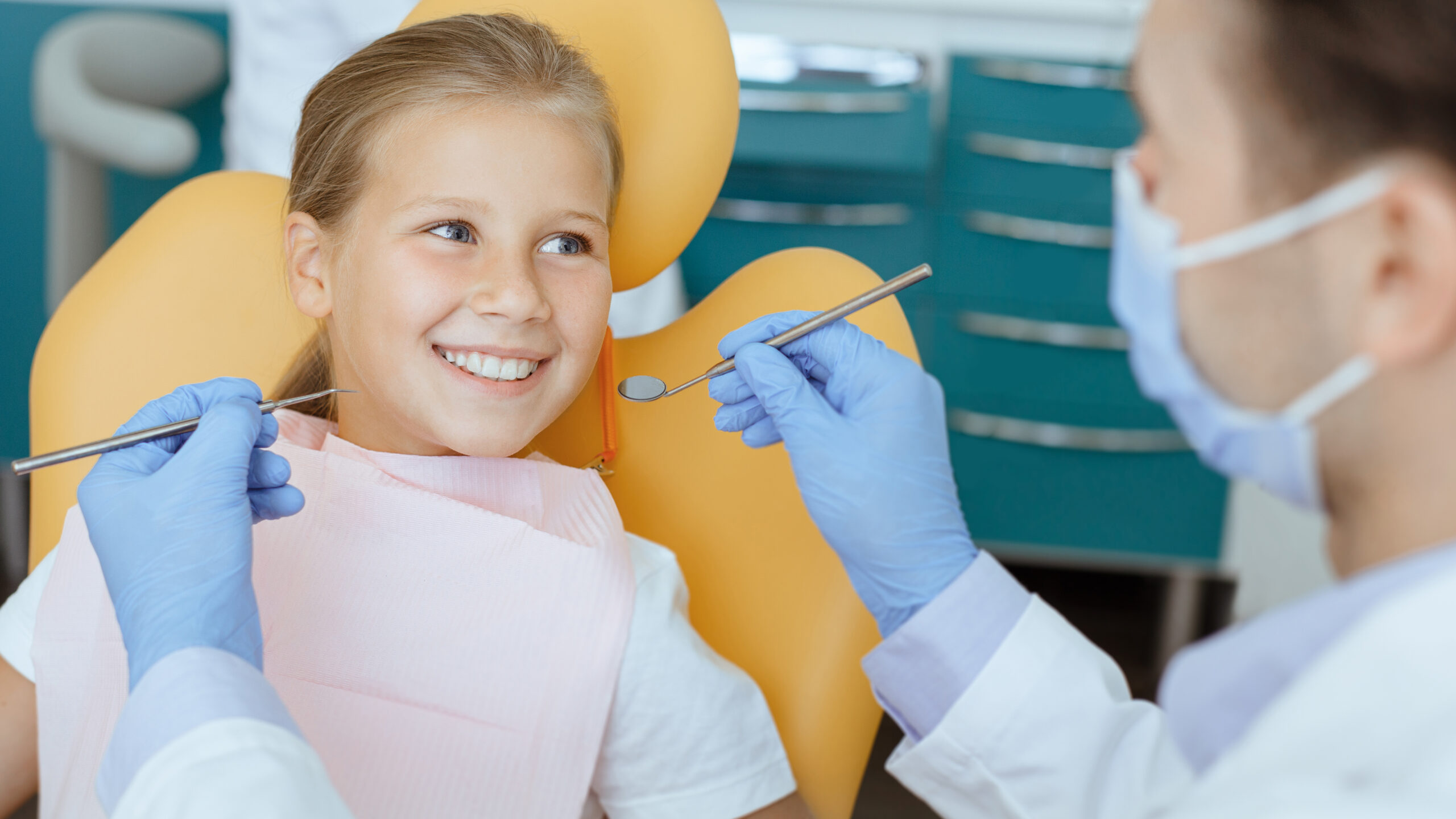
If your child’s dentist has mentioned scheduling an orthodontic evaluation, your first reaction might be surprise — especially if your child is only seven or eight years old. Many parents wonder whether that recommendation is truly necessary, or whether it is better to simply wait and see how the teeth develop. It is a completely reasonable question, and one that comes up often for families with school-age children.
The short answer is that an early evaluation does not automatically mean early treatment. What it does mean is that a trained specialist gets a clear picture of how your child’s jaw and teeth are developing — and whether anything needs attention now versus later. Parents exploring orthodontic treatment for children will find that this kind of proactive monitoring is a cornerstone of good pediatric orthodontic care.
What Is Early Orthodontic Treatment?
Early orthodontic treatment — sometimes called Phase 1 orthodontics — refers to care that begins while a child still has a mix of baby and permanent teeth, typically between ages six and ten. The goal is not always to straighten teeth right away. More often, it involves guiding jaw growth, creating enough space for permanent teeth to erupt properly, and correcting bite problems before they become more complicated.
Preventive vs. Corrective Orthodontics
There is an important distinction between preventive and corrective care. Preventive orthodontics focuses on reducing the likelihood of a problem developing further. Corrective orthodontics addresses an issue that is already present. Early treatment may involve either approach, depending on what an evaluation reveals.
It is also worth noting that many children who are evaluated early do not need any active treatment at that time. Periodic monitoring — watching how the jaw and teeth develop over time — is itself a valuable part of the process.
When Do Orthodontists Recommend Early Treatment?
The American Association of Orthodontists recommends that children have their first orthodontic evaluation by age seven. At that stage, enough permanent teeth have come in for an orthodontist to identify developing concerns.
Common Indicators
Some of the most frequent reasons an early evaluation leads to a recommendation for treatment include:
- Crowded teeth that leave little room for incoming permanent teeth
- Crossbite, where upper and lower teeth do not align correctly side to side
- Overbite or underbite that affects how the jaw functions
- Early or late tooth loss that disrupts normal eruption patterns
- Jaw growth concerns that are easier to address while the bones are still developing
Catching these issues early can make future treatment more straightforward — and in some cases, may reduce how much additional treatment is needed later on.
Signs Parents May Notice at Home
Parents are often the first to observe changes in how their child chews, speaks, or breathes. Some signs worth mentioning to your child’s dental team include:
- Difficulty chewing certain foods or chewing on only one side
- Speech challenges, such as lisping or difficulty with certain sounds
- Consistent mouth breathing, especially during sleep
- Prolonged thumb or finger sucking past age four or five
- Upper and lower teeth that do not seem to meet evenly
None of these signs automatically indicates a need for treatment, but they are worth discussing with a professional who can assess the full picture.
Benefits of Early Orthodontic Care
When early treatment is recommended and appropriate, it offers several meaningful advantages:
Guiding Healthy Development
Addressing jaw growth while children are still growing allows orthodontists to work with the natural development process rather than against it. This can reduce the severity of bite problems and make later correction more manageable.
Creating Space for Permanent Teeth
One of the most common goals of Phase 1 treatment is ensuring that incoming permanent teeth have room to erupt in the right position. This may reduce the likelihood of significant crowding during adolescence.
Supporting Speech and Function
For some children, correcting bite alignment early supports clearer speech development and more comfortable chewing — both of which affect daily life at school and during activities.
When Monitoring Is Enough
It is important for parents to understand that early evaluation and early treatment are not the same thing. A significant number of children who are seen for a consultation will simply be placed on a monitoring schedule. Their orthodontist will check in periodically — often once or twice a year — to track how things are progressing.
This approach is completely normal and is not a sign that anything has been missed. Orthodontists often prefer to wait until more permanent teeth have come in before deciding whether and how to begin treatment. Patience is frequently part of good orthodontic planning.
How Orthodontists Evaluate a Child’s Smile Development
During an early orthodontic evaluation, the focus is on the whole picture — not just the teeth that are visible today.
A thorough evaluation typically includes examining how the upper and lower jaws relate to one another, reviewing how baby and permanent teeth are erupting and spacing, assessing bite alignment from multiple angles, and in some cases taking dental X-rays to see how teeth are positioned beneath the gumline. This information helps an orthodontist build a long-term development plan that is specific to your child’s needs.
The goal is always to take a conservative, thoughtful approach — recommending treatment only when there is a clear benefit to starting early.
Supporting Your Child’s Smile With the Right Information
For many families in the Spring area, the first step is simply getting a professional evaluation and understanding what the findings mean. There is no obligation to begin treatment based on a consultation, and a good orthodontic team will take the time to walk through what they observe and what — if anything — they recommend.
Families who would like guidance about their child’s smile development can reach out to our pediatric orthodontic office in Spring to ask questions and get a clear picture of where things stand.
Frequently Asked Questions
At what age should my child see an orthodontist?
The American Association of Orthodontists recommends a first orthodontic evaluation by age seven. By this age, enough permanent teeth have come in for an orthodontist to identify any developing concerns, even if treatment is not yet needed.
Does every child need early orthodontic treatment?
No. Many children who are evaluated early are simply monitored over time. An evaluation helps determine whether active treatment is appropriate now, or whether watching development is the better path.
Are braces used during early treatment?
Not always. Phase 1 treatment may involve removable appliances, expanders, or other tools depending on what is being addressed. Traditional braces are more commonly used during a second phase of treatment in adolescence, if needed.
Can early orthodontics prevent future braces?
In some cases, addressing certain issues early can reduce the complexity of treatment needed later. However, it does not guarantee that a child will never need additional orthodontic care. Each child’s development is different.
What happens during a child’s orthodontic evaluation?
An evaluation typically involves reviewing jaw development and bite alignment, examining how teeth are erupting and spaced, and possibly taking X-rays to see beneath the gumline. The orthodontist then discusses findings with parents and outlines what, if anything, would be beneficial going forward.