It’s a question many parents in Spring ask during routine dental visits:
“My child still has baby teeth — is it too early to think about braces?”
Or sometimes, “Our dentist mentioned an orthodontic evaluation at age seven. Do we really need to do that now?”
These are thoughtful questions. As parents, you want to make careful decisions — not rush into treatment your child may not need.
When families begin exploring options for early orthodontic treatment , the goal isn’t to start braces right away. It’s to understand how a child’s teeth and jaws are developing and whether guidance at the right time could make a meaningful difference later on.
Let’s take a closer look at what early orthodontic care really means — and when it’s truly necessary.
What Does “Early Orthodontic Treatment” Actually Mean?
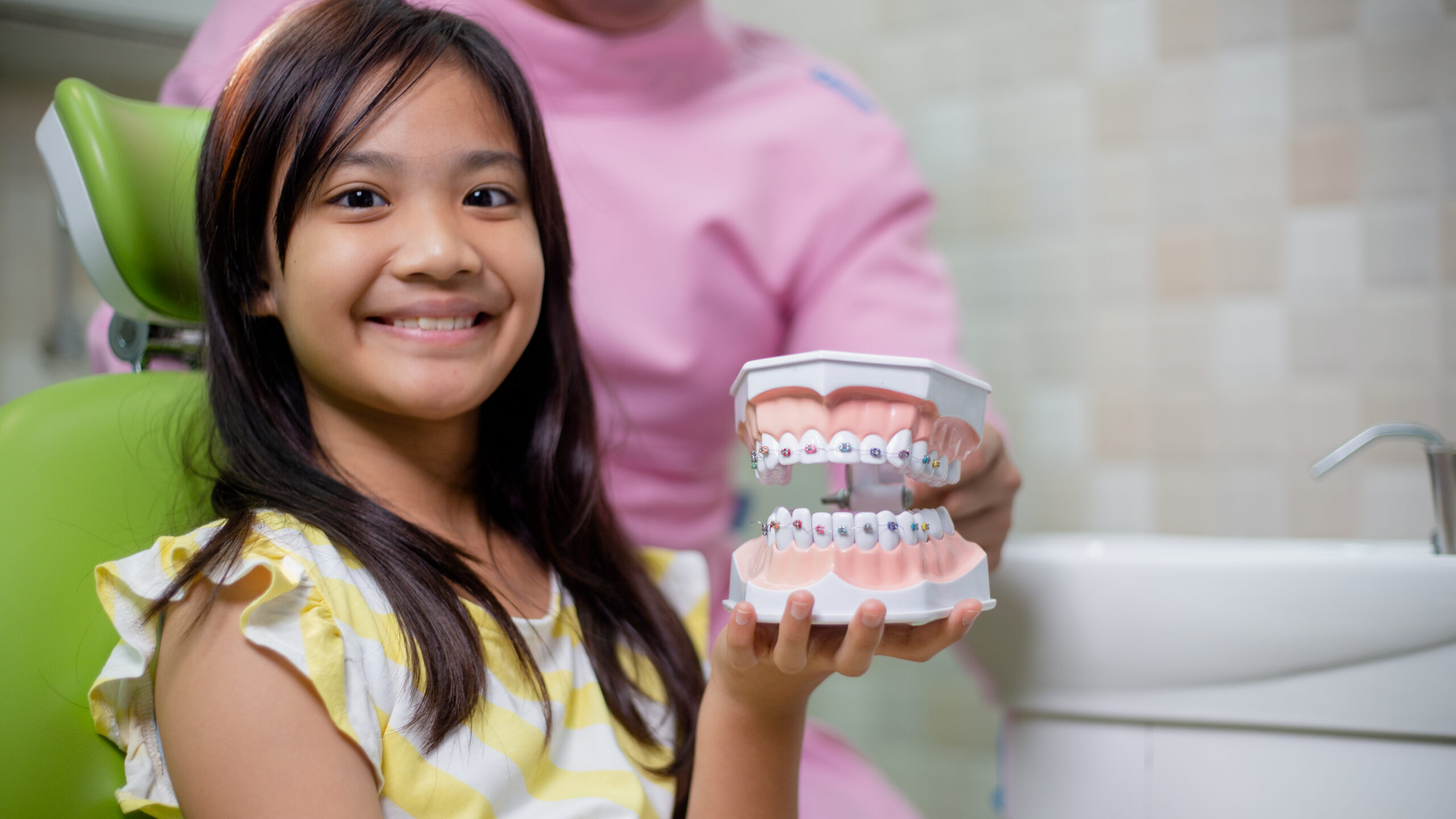
Early orthodontic treatment, sometimes called interceptive orthodontics, typically begins with an evaluation around age seven. At this stage, children usually have a mix of baby teeth and permanent teeth. That combination allows us to assess jaw growth, spacing, bite alignment, and overall development.
Importantly, an early evaluation does not automatically mean braces.
In many cases, we simply monitor growth over time. Children grow at different rates, and orthodontic timing should match their individual development — not a calendar.
The purpose of early evaluation is to identify concerns that may benefit from guidance while the jaw is still developing.
When Early Treatment Is Truly Beneficial
While not every child needs early orthodontic care, there are situations where acting sooner can be helpful.
Examples include:
- Crossbites (where upper and lower teeth don’t align properly)
- Significant crowding
- Noticeable jaw discrepancies
- Prolonged thumb-sucking affecting bite alignment
- Front teeth that protrude and are at risk of injury
- Functional bite issues that impact chewing or speech
In these cases, gentle intervention during growth can help guide jaw development, create space for permanent teeth, and reduce the complexity of treatment later on.
For active kids in Spring who play sports or participate in school activities, correcting protruding front teeth early can also lower the risk of dental trauma.
The key is balance. Early treatment isn’t about doing more — it’s about doing what’s appropriate at the right time.
When It’s Okay to Wait
Many children simply need observation.
If jaw growth appears balanced and spacing looks adequate, the most responsible approach may be periodic monitoring. Growth changes quickly during elementary school years, and sometimes nature does a remarkable job on its own.
Families from Spring, Klein, and surrounding neighborhoods often appreciate knowing that waiting can be part of a thoughtful plan.
Orthodontic care should never feel rushed. Conservative timing is often the most beneficial approach when no significant concerns are present.
Two-Phase Orthodontic Treatment — Is It Always Necessary?
You may hear the term “two-phase treatment” and wonder what it means.
Two-phase orthodontics involves:
- An early phase during childhood to guide jaw development or address specific concerns.
- A second phase during adolescence, once most permanent teeth have erupted.
This approach is recommended only when early growth modification can improve long-term outcomes.
However, two-phase treatment is not required for every child. Many children complete orthodontic care in a single phase during their teen years.
The decision depends entirely on your child’s bite, jaw growth pattern, and long-term dental health. A careful evaluation helps determine what is truly necessary — and what is not.
How a Pediatric Orthodontic Evaluation Is Planned Thoughtfully
A comprehensive orthodontic evaluation begins with listening.
Parents often share concerns about spacing, crowding, or habits like thumb-sucking. We look at how the teeth fit together, assess jaw development, and evaluate facial balance. X-rays are used only when helpful for understanding growth patterns.
Because Matthews & Dai Pediatric Dentistry & Orthodontics is designed around children’s comfort, parents are welcome in treatment rooms. That open communication helps families feel informed and confident about decisions.
The goal isn’t to recommend treatment automatically. It’s to understand your child’s development and create a long-term plan that supports healthy growth.
Sometimes that plan involves monitoring every six to twelve months. Other times, it may include early guidance to prevent more complex issues later.
Each child’s needs are unique — and thoughtful planning respects that.
A Thoughtful Next Step
If you’ve been wondering whether early orthodontic care is necessary for your child, the most helpful step is simply gathering information.
An evaluation allows you to understand growth patterns, timing, and options — without pressure. For families in Spring balancing school schedules and extracurricular activities, thoughtful planning can bring real peace of mind.
When you feel ready to explore your child’s growth and development further, you’re welcome to schedule an orthodontic evaluation and visit our pediatric dental office in Spring for a personalized conversation. A clear understanding today can help guide confident decisions for the years ahead.
Frequently Asked Questions
- At what age should my child see an orthodontist?
The American Association of Orthodontists recommends an evaluation around age seven. This doesn’t mean treatment will begin — it simply allows growth and bite development to be assessed early.
- Does every 7-year-old need braces?
No. Many children do not require immediate treatment at that age. Early visits are often for monitoring and planning rather than active care.
- Can early treatment prevent future tooth extractions?
In some cases, guiding jaw growth early may create additional space and reduce the likelihood of extractions later. However, this depends entirely on the individual child’s development.
- Is early orthodontic care uncomfortable for children?
Modern orthodontic approaches are designed to be gentle and child-friendly. When early treatment is necessary, it is typically well tolerated.
- How do I know if my child needs treatment now or later?
A professional evaluation is the most reliable way to determine timing. Every child’s growth pattern is different, and personalized planning ensures care is appropriate — not premature.